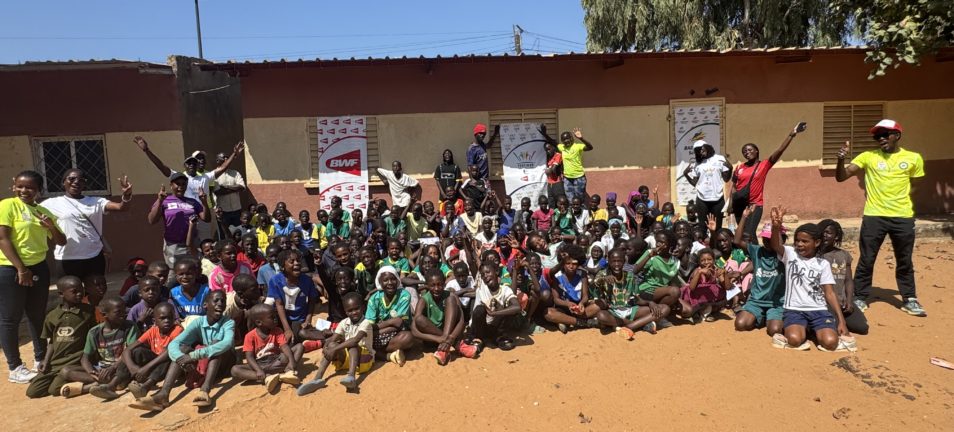
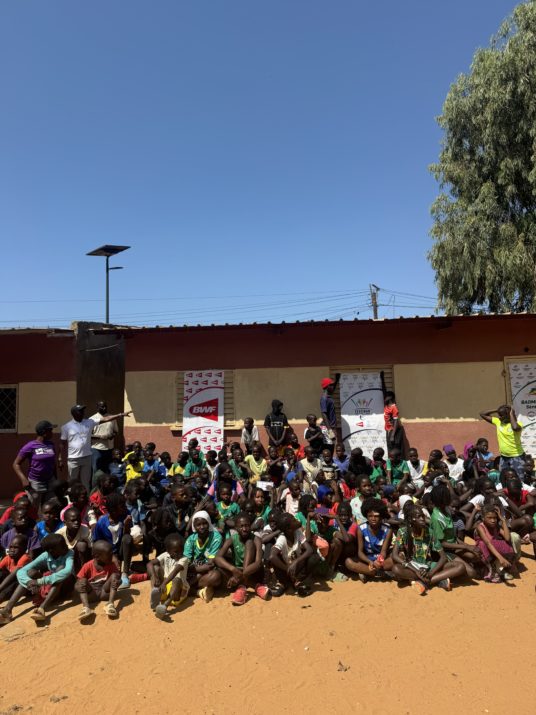
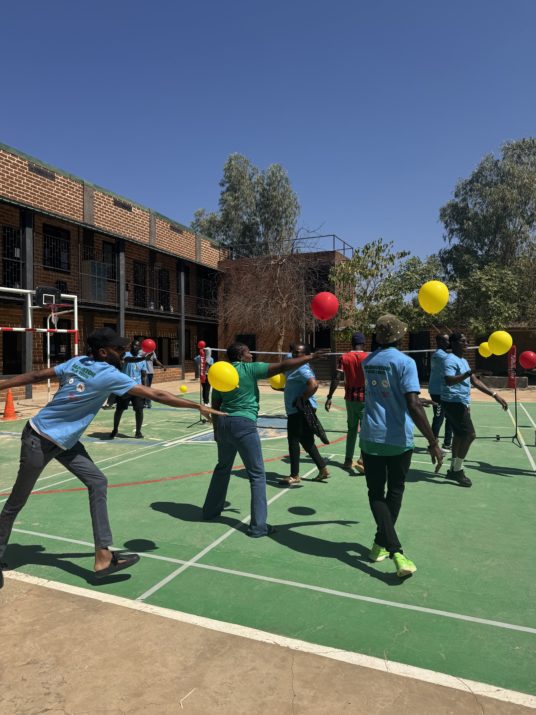
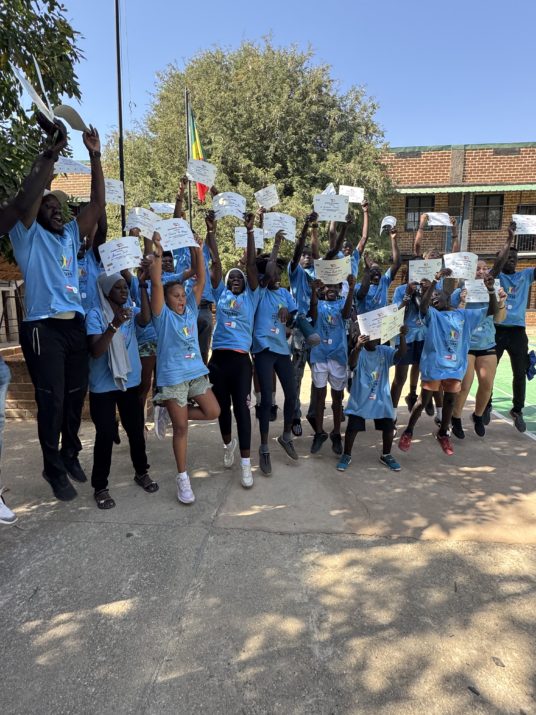
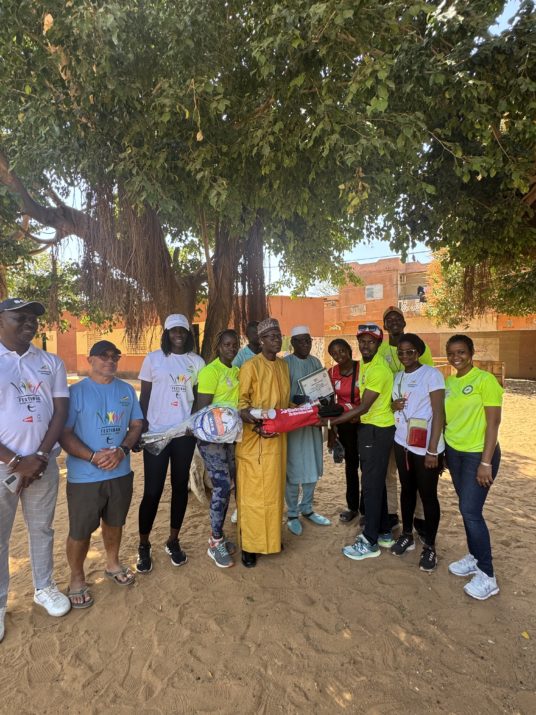
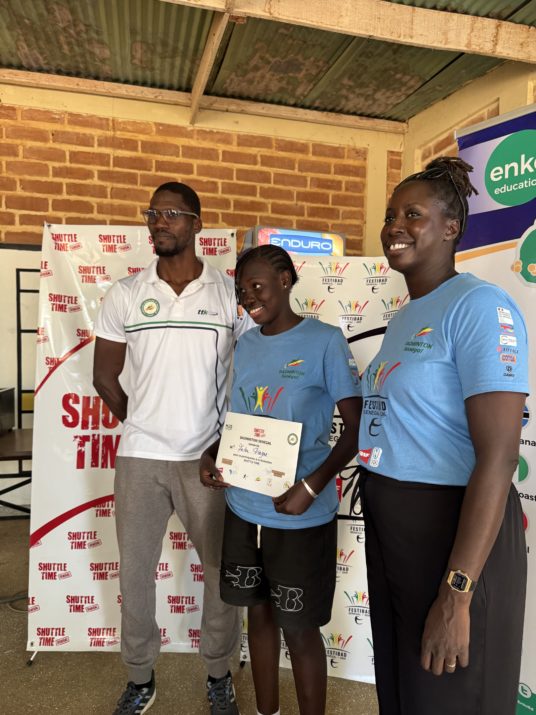
Across three days, more than 1,000 participants took part in activities. Schools, training centres and community spaces became hubs of activity, welcoming children, adults and educators into a shared environment of learning and play. Around 90 per cent of those involved were young people, with strong female participation reflecting the inclusive nature of the programme.
More than 300 schoolchildren were introduced to badminton through initiation sessions, while over 120 girls took part in dedicated school-based activities that encouraged participation and confidence. Beyond the school environment, more than 100 adults engaged through fitness club sessions, reinforcing the idea that badminton can connect generations and communities alike.
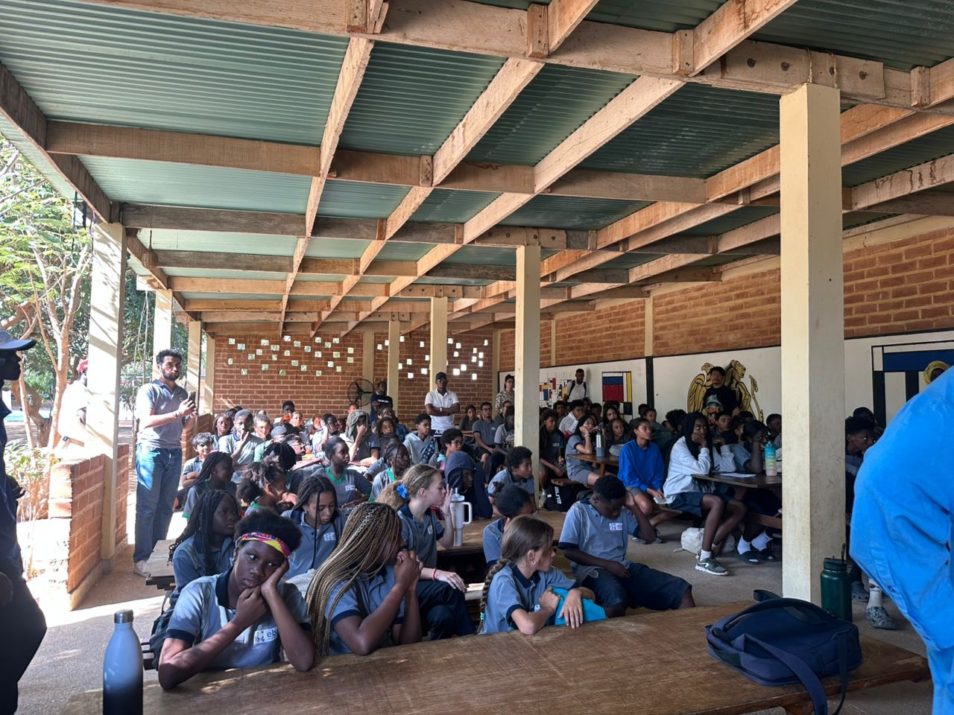
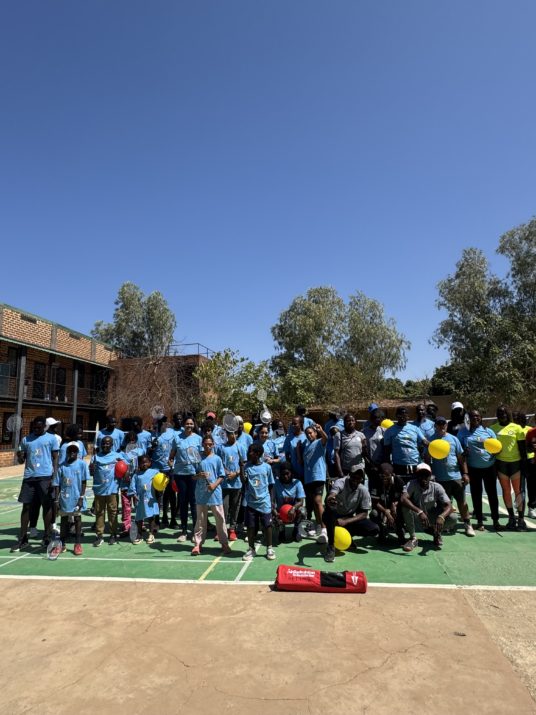
Twenty physical education teachers were trained through BWF’s Shuttle Time Programme, equipping them with the knowledge and tools to deliver badminton within their schools. The Youth Leadership initiative supported the development of 16 young leaders, who took on active roles throughout the event and gained valuable experience in coaching and organisation.
Elsewhere, more than 350 young participants from sports academies were introduced to badminton, while a further 40 young people engaged through activities delivered in partnership with Seed Academy.
From schoolchildren discovering badminton for the first time to teachers gaining new skills and young leaders stepping into positions of responsibility, each moment contributes to a broader sense of connection and shared purpose.
Sahir Edoo, Head of Development Projects at the Badminton World Federation, reflected on the initiative: “FestiBad shows how badminton can create meaningful opportunities at community level. It is about more than participation. It is about equipping people with lifelong skills, building confidence and creating structures that allow the sport to grow in a sustainable and inclusive way.”
Looking ahead, this momentum will continue through an expanded programme of activity across Senegal. Upcoming FestiBad stages are planned along the Petite Côte, including Ngaparou, Ficelle and Somone, followed by further events in Ziguinchor and Kaffrine or Fatick. Additional phases are also being prepared for Saint Louis, Dakar and Gorée Island, a UNESCO World Heritage Site. FestiBad will also be delivered in neighbouring countries such as The Gambia and Cape Verde, reflecting a wider Youth Olympic Games legacy that extends across the region.
Alongside these events, there are plans to train more teachers, strengthen Youth Leadership pathways and improve delivery through enhanced resources and coordination.
As momentum builds towards the Dakar 2026 Youth Olympic Games, the importance of initiatives such as FestiBad becomes even clearer. The Games will take place from 31 October to 13 November 2026 and will mark the first Olympic event ever held on African soil. Yet their legacy is already being shaped through programmes that prioritise access, education and community engagement.
In marking IDSDP, badminton in Senegal stands as a powerful reminder that sport can connect people, develop skills and create lasting change far beyond the field of play.