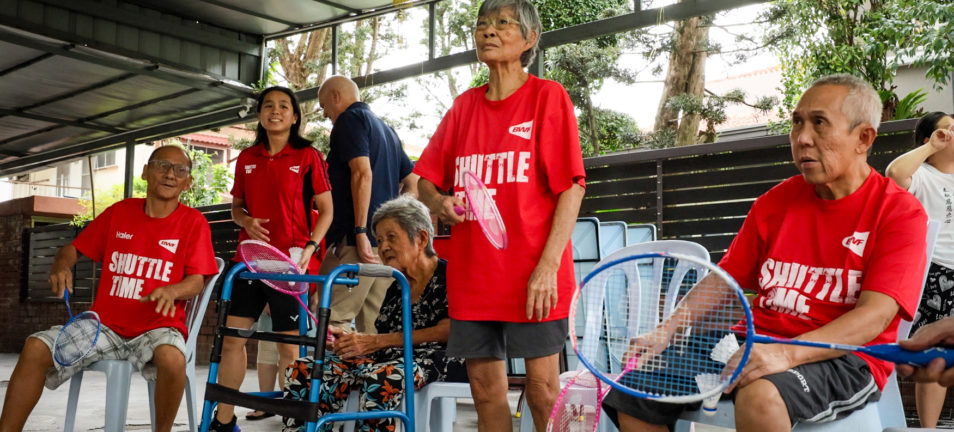
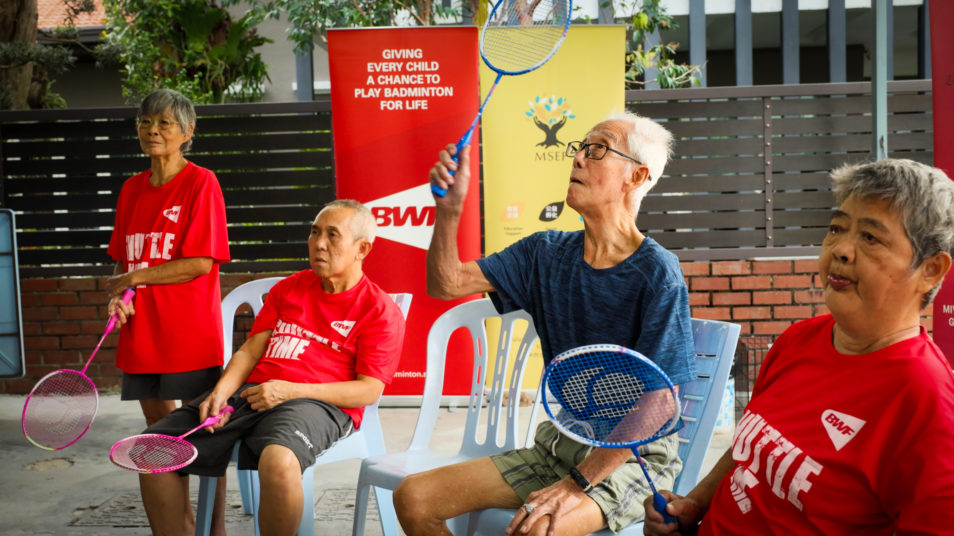
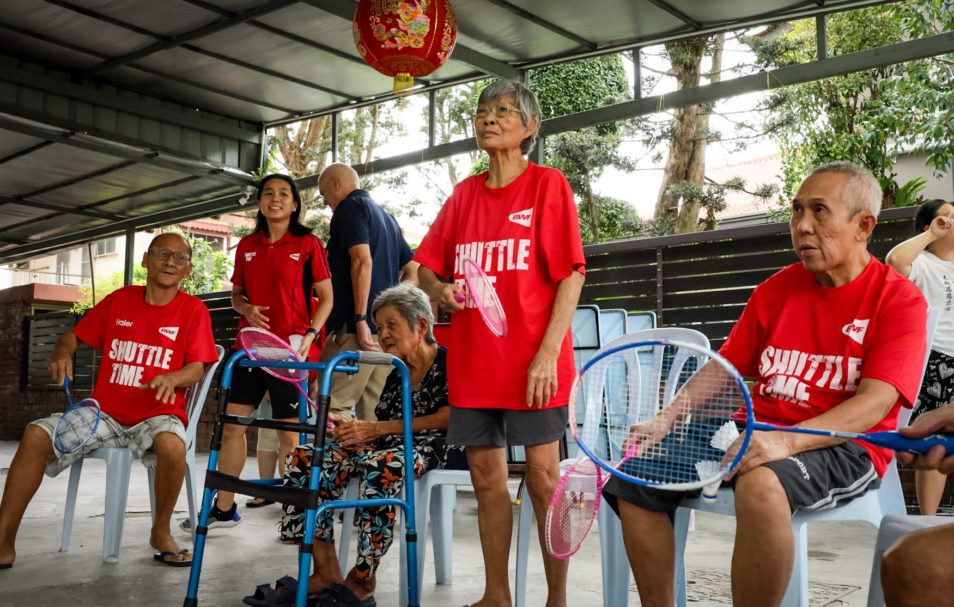
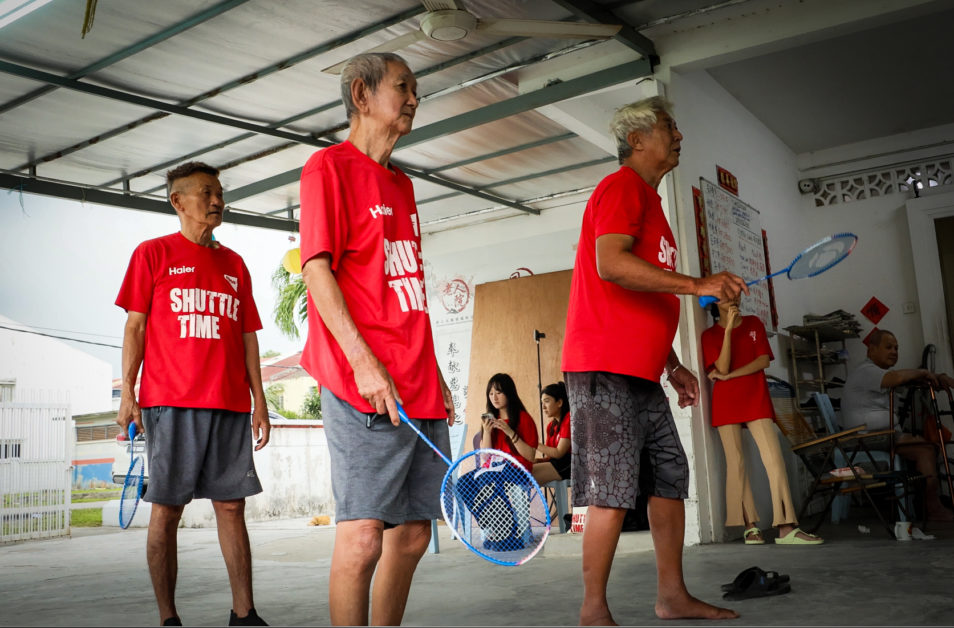
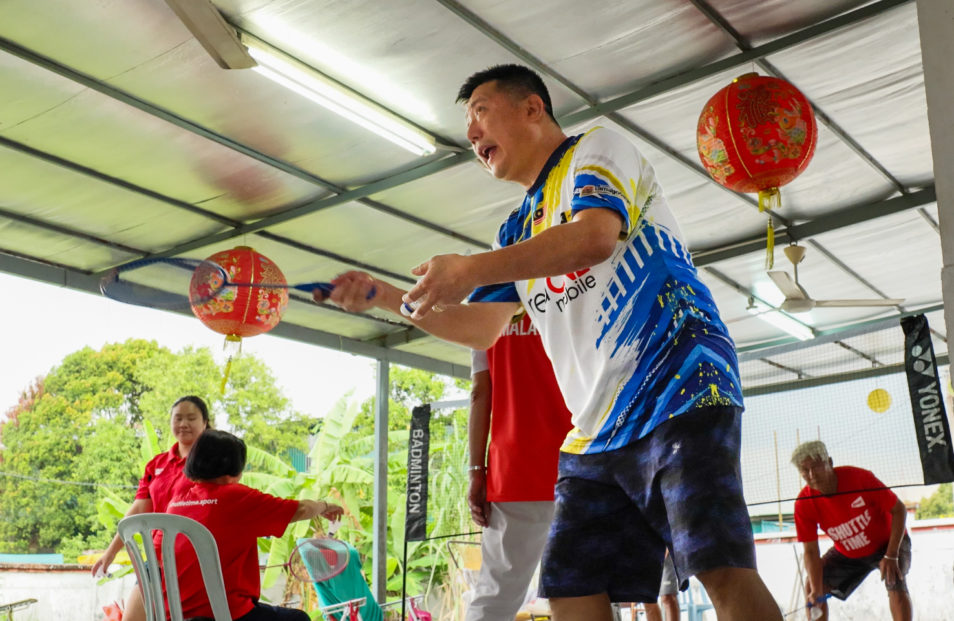
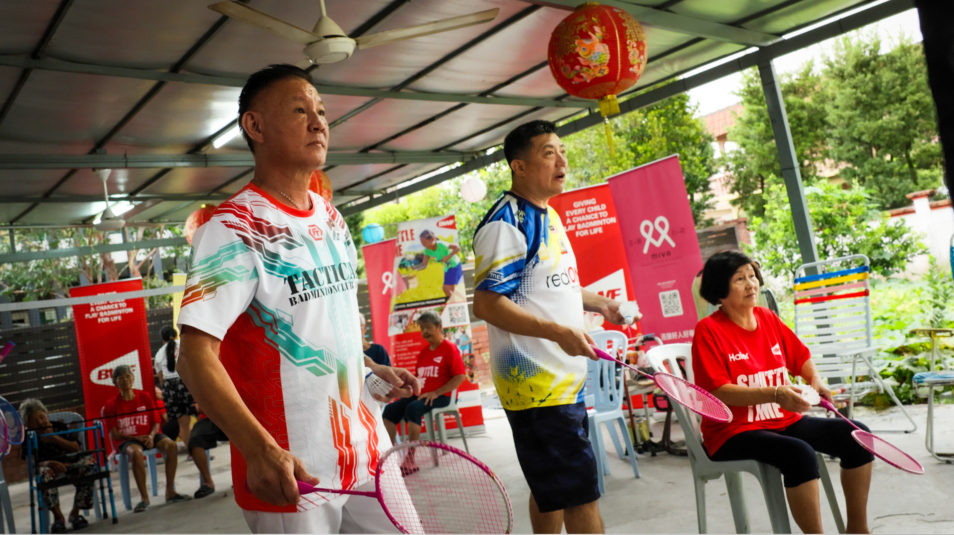
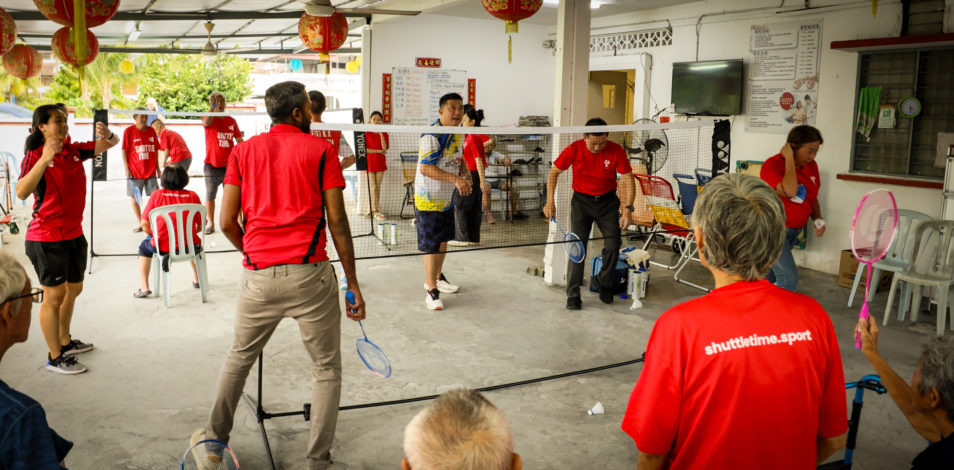
Sessions were deliberately kept relaxed and approachable, on smaller courts, where everything can be adapted to help participants play standing or seated, depending on what suits them. One of badminton’s quiet advantages is that hitting a shuttle well is more about timing and coordination than raw strength, which means people can play at their own pace without feeling like they’re struggling to keep up. For a lot of older adults, that removes the nagging worry about injury or embarrassment that puts them off other activities entirely.
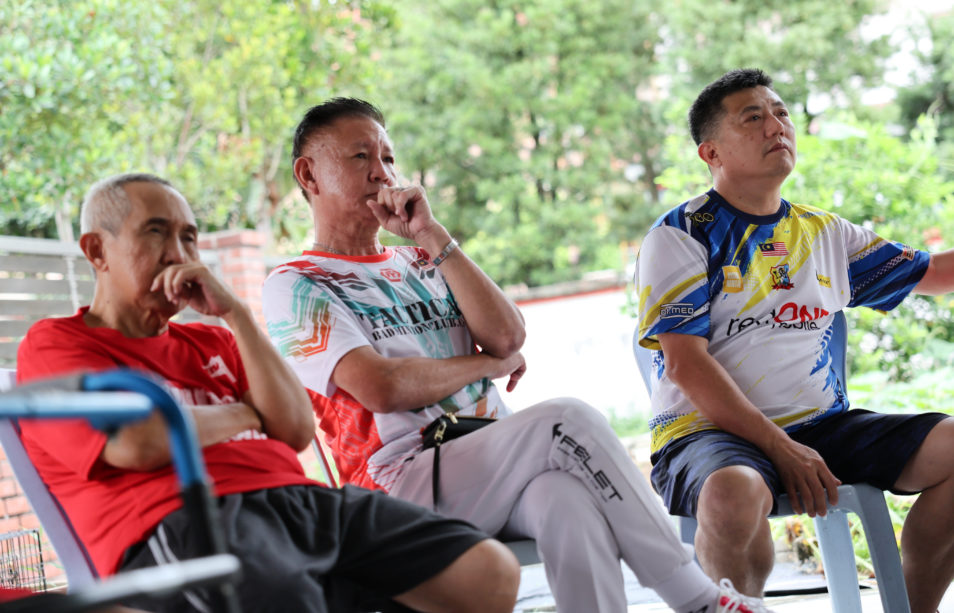
Early results have been encouraging. Participants report feeling steadier on their feet and more willing to move around independently than before. But it’s arguably the social dimension that makes the biggest difference. Regular sessions give the week some shape and offer a genuine reason to be social, something that matters enormously when loneliness is known to carry serious consequences for both physical and mental health.
The pilot programmes have also noticed something rather touching: that small, repeated movements begin to rebuild a person’s trust in their own body. Reaching for a shuttle, stepping to one side, turning to return a shot – none of it sounds dramatic, but in a supportive setting it quietly improves balance and coordination. Many participants are just as enthusiastic about the chat and the company as they are about the badminton itself, which is probably as it should be.
Typical sessions weave together light play with balance work, coordination exercises and gentle cognitive challenges.
Shuttle Time Seniors is designed for older adults, but the reasons it works says something broader about badminton as a sport. It engages the whole body through controlled flowing movement. It gets the heart going through short bursts of effort without punishing the joints. Indoor courts and a shuttle that weighs next to nothing mean it’s genuinely accessible to people across a wide range of abilities.
Beyond the physical, badminton sharpens coordination, balance and reaction speed, the sort of thing that turns out to be rather useful when navigating daily life. It demands concentration and quick thinking. And because it’s almost always played with others, doubles and group sessions naturally encourage people to communicate, cooperate and simply enjoy one another’s company.
Shuttle Time Seniors ultimately demonstrates that meaningful physical activity needn’t be complicated, expensive or intimidating. With a sensible approach, it can be introduced at almost any age and in almost any setting.
So go on, pick up a racket.