





Best Practice – French Badminton Federation




Youth at the Heart of Sport Governance: Lessons from the Junior Academy
Overview
The Junior Academy, led by the French Badminton Federation, is a structured development programme designed to empower young people aged 13 – 17 to take on volunteer and leadership roles within badminton clubs. Launched in 2024, supported by tutors and club structures, the initiative offers three pathways:
- Young technical official
- Young coach
- Young association volunteers
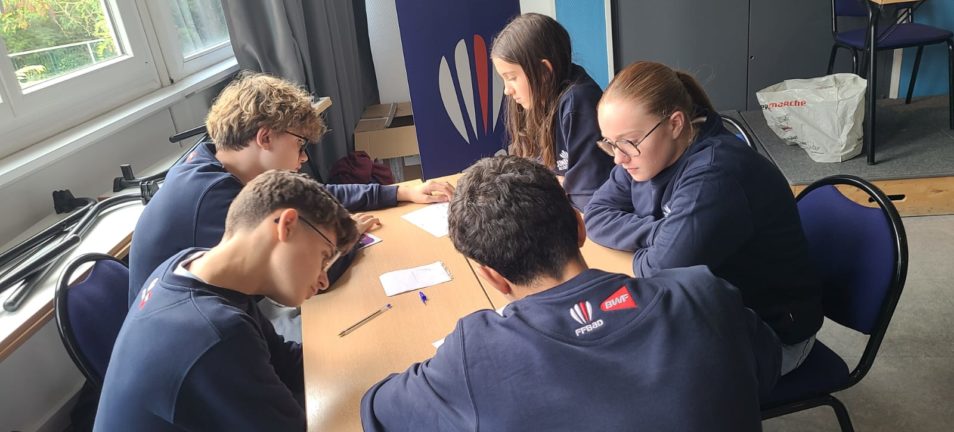
Participants engage in a blended learning model combining online sessions, national gatherings at major events, and hands-on club projects. The programme aims to build confidence, strengthen commitment to volunteering, and create a sustainable pathway of trained young leaders for the badminton community. Through exposure to international umpires, coaches, and federation officials, the Academy provides practical insights into the sport’s ecosystem while fostering responsibility, autonomy, and communication skills.
The Challenge
In the wake of COVID-19, clubs experienced a significant decline in volunteer engagement, with fewer members willing to take on leadership and operational responsibilities. This created difficulties in recruiting technical officials, supervisors, and elected volunteers, while also highlighting the need to improve gender balance in these roles.
Although some clubs had informal opportunities for youth involvement, there was no standardised national system to train and support young volunteers. This lack of structure, limited progression pathways, reduced motivation among young members, and made it harder for clubs to develop future leaders capable of sustaining organisational activities.
Actions Taken
The Junior Academy addressed these challenges through a structured, multi-phase programme:
- Programme Design & Partnerships
- Developed tailored training themes and secured experienced trainers.
- Collaborated with clubs, leagues, event organisers, and social-awareness organisations.
- Secured partial funding support to accelerate implementation.
- Recruitment & Communication
- Created information materials and launched a nationwide campaign to encourage applications.
- Selected participants based on motivation, diversity, and regional representation.
- Training & Engagement Delivery
- Delivered interactive online training sessions featuring quizzes, debates, and group work.
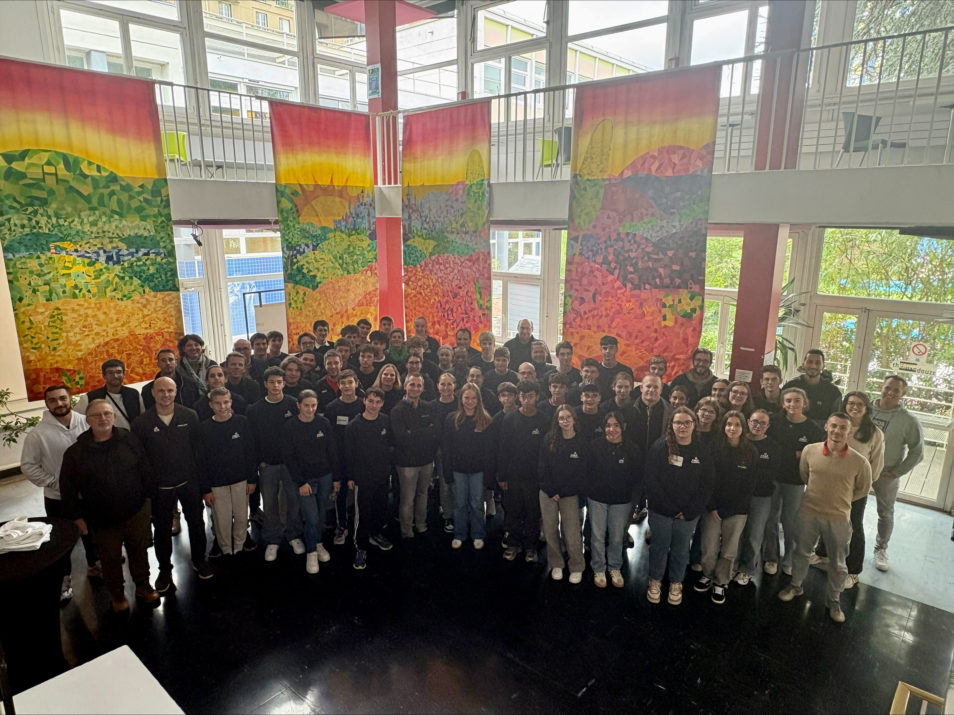
- Organised national gatherings at major tournaments for real-world exposure.
- Facilitated workshops on communication, responsibility, gender stereotypes, and governance.
- Mentorship & Practical Application
- Each participant completed a volunteer project within their club under tutor supervision.
- Progress was assessed at year-end, with participants receiving a volunteer passport recognising acquired competencies.
Key Results
The Junior Academy demonstrated strong measurable outcomes within its first year:
100%
Participants renewed their federation license
95%
Gained a stronger understanding of the federation’s structure
90%
Regional leagues had at least one participant
80%
Reported increased confidence in their volunteer roles
30%
Enrolled in further federal training courses
These results indicate increased engagement, enhanced capacity for clubs, and a stronger pipeline of trained young volunteers ready to support the sport’s long-term development.
Why This Is a Best Practice Model
This initiative is considered a best practice because it systematically addresses volunteer decline through early youth engagement, structured education, and real-life application.
Key features that distinguish the model include:
- A national framework linked directly to club activities
- Blended learning combining theory, mentorship, and experiential learning
- Clear progression pathways for young volunteers
- Strong collaboration with partners, trainers, and social-awareness organisations
- Formal recognition of volunteer experience through certification
By aligning youth development with organisational needs, the programme creates both immediate and long-term value for the sport ecosystem.
Key Takeaways for Replication
Other member associations can replicate this model by considering the following principles:
- Invest in Youth Volunteer Training: Provide structured and affordable training to reduce barriers to participation.
- Limit Cohort Size for Quality: Ensure personalised mentoring and a strong sense of belonging.
- Diversify Learning Methods: Use interactive sessions, testimonials, and real-event exposure to maintain engagement.
- Collect Continuous Feedback: Regular participant input improves programme relevance and impact.
- Develop a Trainer Network: Establish a committed pool of trainers to ensure consistency and sustainability.
- Embed Club-Level Projects: Require participants to apply learning through practical missions in their clubs.
Conclusion
The Junior Academy demonstrates how a structured, youth-focused volunteer development programme can revitalise engagement and strengthen organisational capacity. By combining education, mentorship, and hands-on experience, the initiative builds confident young leaders while directly supporting clubs’ operational needs.
As badminton organisations globally face similar challenges in volunteer recruitment and retention, this model provides a scalable and sustainable framework for nurturing the next generation of officials, coaches, and community leaders, ensuring the long-term health and growth of the sport.