





Best Practice – Badminton Ireland


BadminTEEN: A Best‑Practice Model for Advancing Female Teen Participation and Retention in Badminton
Sub Area:
- Participation Programmes
- Gender Equity, Diversity, and Inclusion (GEDI)
- Workforce Development
Overview
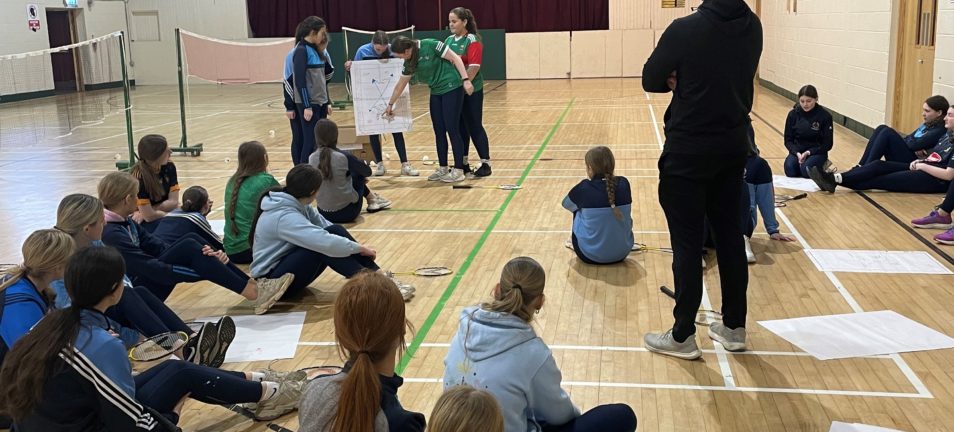
BadminTEEN, designed and delivered by Badminton Ireland, is a pioneering youth development programme focused on keeping teenage girls engaged in sport by broadening what participation looks like. The initiative introduces girls to multiple roles within badminton, including playing, coaching, officiating, and organising — helping them discover how sport can fit into their lives in fun, meaningful, and non‑pressured ways.
Since launching its pilot phase, BadminTEEN has grown rapidly, expanding across Ireland and reaching more than 1,000 girls to date. The programme has not only increased participation but has also built new youth leadership pipelines, strengthened community connections, and created lasting school‑based badminton ecosystems.
Challenges
Badminton Ireland identified a concerning trend: teenage girls were dropping out of badminton between the ages of 15–18 at disproportionately high rates.
Key issues identified included:
- A perception that badminton had become overly competitive and no longer fun.
- Limited pathways for girls who did not aspire to be high‑performance athletes.
- Loss of social connection when friends stopped playing.
- Inflexible training structures that clashed with schoolwork and exam schedules.
- Coaching styles that didn’t always resonate with teenage girls.
- In some cases, limited access to adequate sports facilities.
These insights highlighted the need for a flexible, inclusive, and social programme that recognised girls’ diverse motivations and barriers.
Actions Taken
Badminton Ireland adopted a phased, research‑based approach to develop a programme that genuinely reflected participants’ needs. This approach ensured that BadminTEEN was not only effective but scalable and sustainable.
Badminton Ireland began by analysing membership trends and engaging directly with girls in schools and clubs to understand drop‑off patterns and underlying reasons for disengagement. This informed the creation of a multi‑pathway programme that blended fun, skill development, leadership, and wellbeing.
Key actions undertaken included:
- Researching Participation Behaviours: Reviewed membership data and identified ages with the highest female dropout rates and conducted surveys and facilitated open conversations with teenage girls to understand their real experiences.
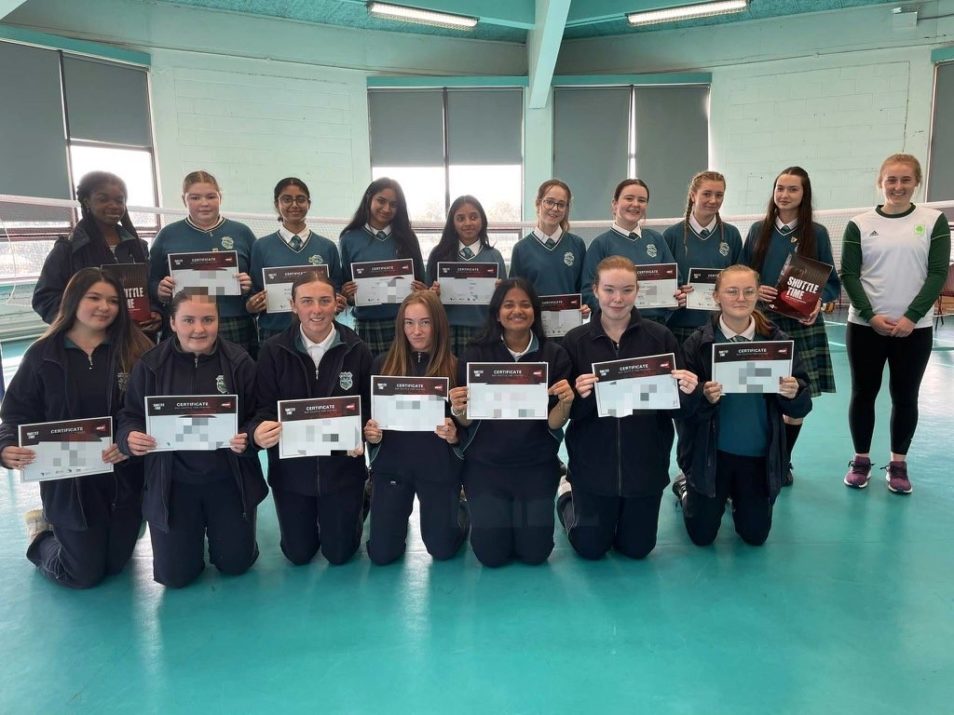
- Designing a Multi‑Pathway Programme: Introduced components covering playing, coaching, officiating, rules education, and wellbeing and integrated the BWF Shuttle Time leadership course to build coaching foundations and confidence.
- Tutor Training and Quality Control: Selected and trained tutors to deliver the programme effectively and implemented a shadowing system to standardise delivery across schools and clubs.
- Adapting to School Contexts: Redesigned certain modules for classroom delivery where hall availability was limited to ensure classroom sessions were interactive and avoided an “academic class” feel.
- Rolling Out Nationally with Strategic Targeting: Prioritised schools with low female participation and communities with fewer sports opportunities and provided equipment packs to each school to support long‑term engagement.
- Youth‑Friendly Promotion & Engagement: Captured videos, photos, and social media content during pilot phases to promote the programme and encouraged participants to lead creative engagement through playlists and content creation.
Key Results
School Sustainability
Every participating school has introduced weekly badminton sessions or established an after‑school club.
Leadership in Action
Participants regularly coach younger years, doubling exposure to badminton within schools.
100%
100% of participants would recommend BadminTEEN to future students.
90%
Over 90% said the programme motivated them to consider joining a local club.
Growth Participation
Some schools recorded their highest‑ever girls’ participation (e.g., 80+ players in one school).
Community Impact
Participants have line judged at national tournaments, run school blitzes, and even initiated their own clubs. These outcomes reflect both immediate programme success and strong long term behavioural change.
Why This Is a Best Practice Model
BadminTEEN stands out as a leading example of strategic, participant‑centred sport development. Its structure, delivery approach, and outcomes make it widely replicable for organisations seeking to strengthen youth retention. BadminTEEN blends innovation with practicality, reinforcing long‑term engagement in meaningful ways, such as:
- A Participant‑Led Foundation: The programme was designed using the insights, voices, and experiences of teenage girls — ensuring a direct match with their motivations and challenges.
- Multiple Ways to Engage in Sport: By offering roles beyond playing, the programme accommodates diverse interests and reduces pressure, making it more inclusive.
- Delivery That Works in Any School: The flexible model, capable of being delivered in halls or classrooms and removes traditional barriers related to facilities or scheduling.
- Built for Longevity: Leadership training, equipment provision, and the creation of school clubs ensure ongoing activity long after programme completion.
- Strong, Multi‑Level Partnerships: Collaboration across schools, clubs, Sport Ireland, sponsors, and BWF enhances resource support, visibility, and long‑term programme sustainability.
- Proven, Widespread Impact: Participation growth, leadership development, school‑based club creation, and positive participant feedback all demonstrate deep and lasting community impact.
Key Takeaways for Replication
BadminTEEN offers a clear blueprint for organisations aiming to combat teenage dropout and build sustainable youth engagement models. The programme’s success is rooted in its ability to combine participant voice, flexible structures, and leadership pathways.
Key lessons from BadminTEEN include:
- Listen First, Design Second: Start by understanding the actual reasons teens disengage be it through surveys, workshops, and honest conversations.
- Create Multiple Entry Points: Offer a mix of roles (player, coach, judge, organiser) so young people can choose their preferred level and type of engagement.
- Keep It Fun and Flexible: Teens stay involved when sessions are social, enjoyable, and not performance‑driven.
- Build Leadership into the Model: Leadership training empowers participants and naturally creates in‑school sustainability.
- Plan for Real‑World Constraints: Incorporate modules that work in both sports halls and classrooms to overcome space and scheduling barriers.
- Invest in Tutor Training: A trained and confident delivery workforce ensures quality and repeatability at scale.
- Tell Stories & Celebrate Impact: Authentic participant stories and visuals help attract partners, funders, and future participants
Conclusion
BadminTEEN is a transformative model demonstrating how listening to young people, widening pathways into sport, and embedding leadership can reshape participation outcomes on a national scale.
Through its flexible design, strong partnerships, and commitment to empowering teenage girls, the programme has created long‑term change in schools and communities, proving that when organisations adapt to young people’s needs, engagement and retention flourish.
BadminTEEN is not just a programme—it is a replicable blueprint for organisations seeking sustainable youth engagement, female empowerment, and community‑driven sport development.