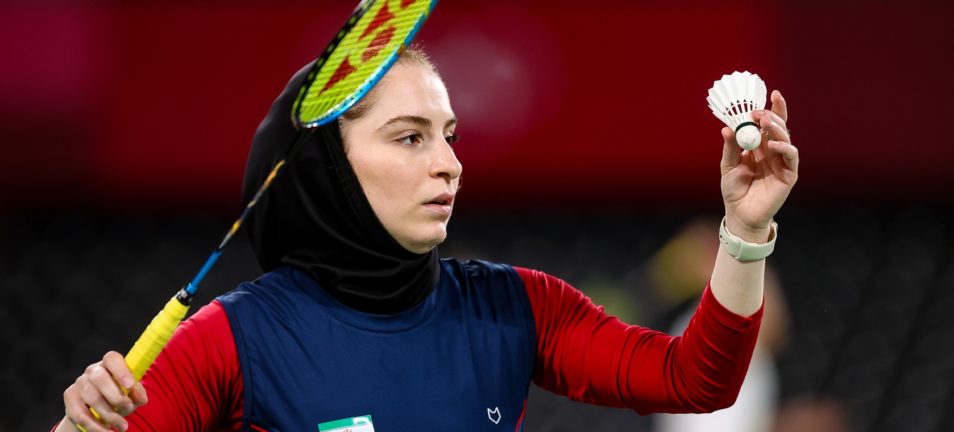
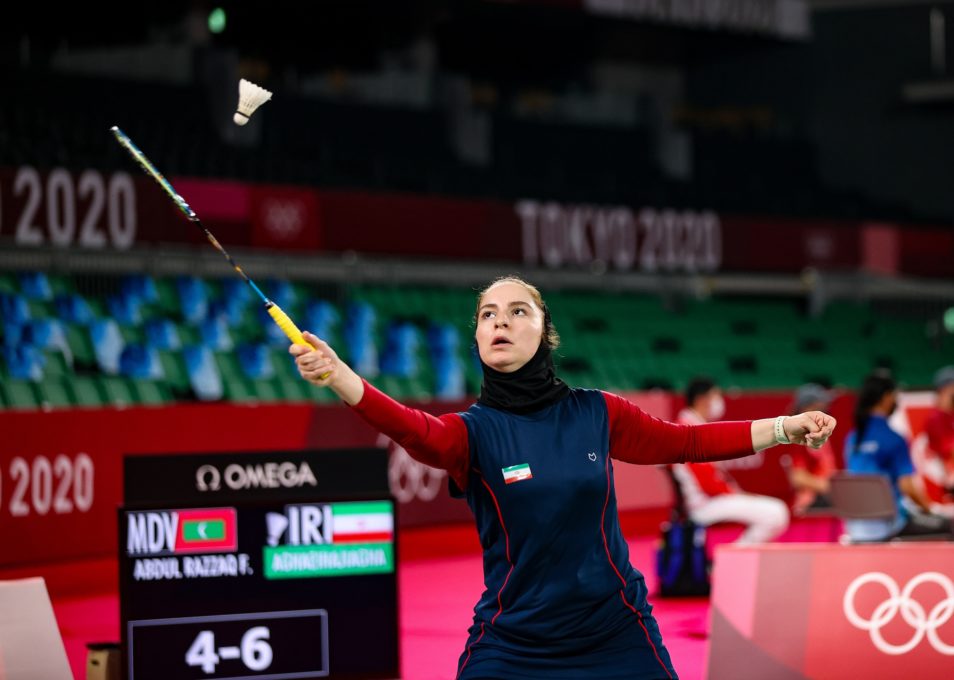
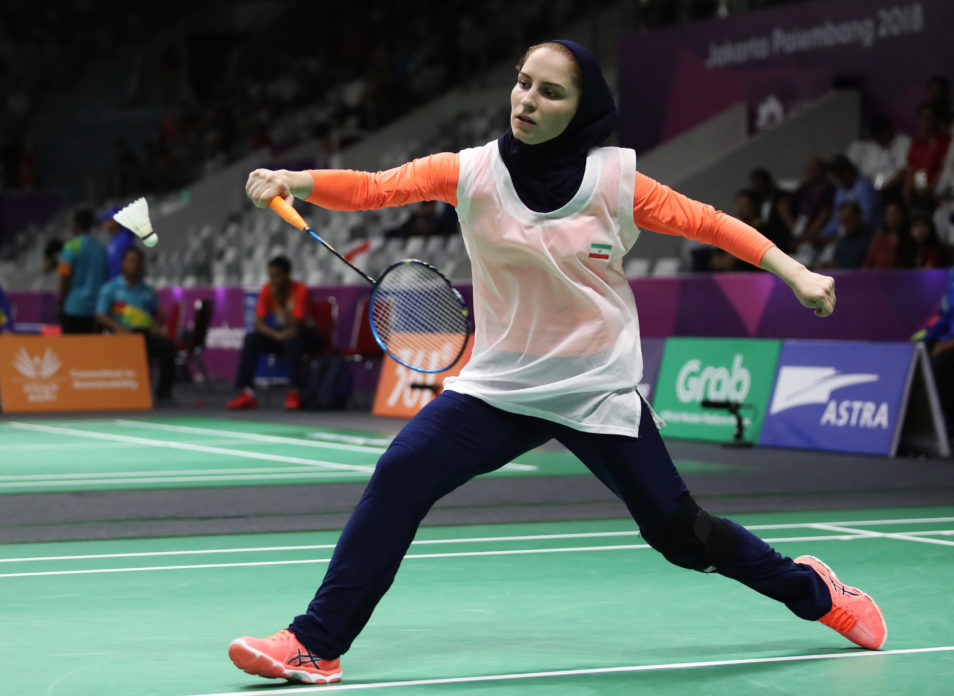
Aghaei was the first woman to represent Iran in badminton at an Olympic Games. It is the kind of feat that carries the weight of every girl who was told the dream was too big, the sport too niche, the path too uncertain.
Giving Before Gaining
Ask Aghaei what drew her towards a leadership role and she does not talk about ambition in the conventional sense. “What inspired me most was the understanding that representation truly matters,” she said. “Leadership, for me, is not about position. It is about responsibility.”
Throughout her playing career, she became aware of what it means for a young girl to see someone who looks like her standing in a place once considered out of reach. That awareness shaped everything for the Iranian. Where some athletes finish competing and step back from the sport, Aghaei chose to step further in. To give more of herself, so that others might gain something they had not previously thought possible.
“If we widen those doors,” she says simply, “others will walk through them.”
One Person Challenging an Assumption
Badminton was not, in Aghaei’s own words, traditionally among the most visible sports in Iran. She did not come up through a well-funded pathway with a well-worn route to the top. She grew within a sport that developed step by step and she grew with it. The resilience that it required is one of the things she brings to her work as an advocate.
“When I started dreaming of the Olympics, many people thought it was unrealistic. But progress often starts with one person challenging an assumption.” Her message to young women in Iran and beyond is direct: their background does not limit their potential. “They belong in sport,” she said, “and they belong in leadership.”
Structure, Not Symbolism
Within the IOC Athletes’ Commission, Aghaei plans to focus on issues she believes require structural solutions rather than gestures. Mental health support for women athletes, safeguarding, fair access to resources and meaningful long-term development beyond sport are among her priorities. “True equity is not symbolic,” she says. “It requires structural commitment.”
She also knows that the Commission’s reach goes beyond badminton. Representing athletes from the Middle East and from Muslim-majority countries, she brings contexts and perspectives to the table that might otherwise be absent. “When those differences are genuinely represented in leadership and decision making, conversations become more complete and grounded in real experiences.”
That, too, is a form of giving.
A Legacy Built on What Comes Next
To the young women watching from Tehran or Tokyo or anywhere in between, Aghaei keeps it simple: “Stay curious and stay courageous. Compete with passion but also educate yourself. Understand governance, ask questions and do not wait for permission to contribute.”
When asked about the legacy she hopes to leave, she does not reach for big, dramatic words. “If, years from now, more young women from diverse backgrounds feel confident stepping into leadership roles because they saw someone do it before them,” she says, “that would mean I contributed in a meaningful way.”
On International Women’s Day 2026, that feels like more than enough. Honestly, it’s exactly what #GiveToGain is all about.
*****
Soraya Aghaei Haji Agha wishes to extend her sincere appreciation to the Badminton World Federation, Badminton Asia and the Iran Badminton Federation for their continued support throughout her career. Their encouragement and trust over the years have played an essential role in making these milestones possible.