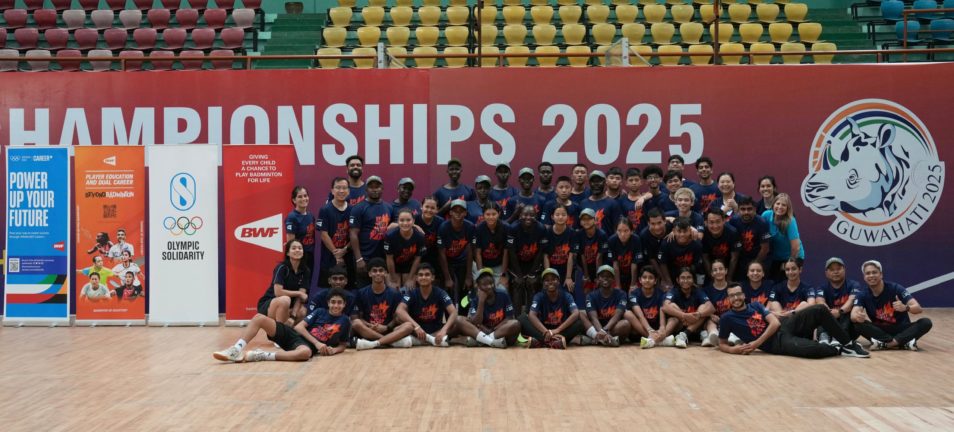
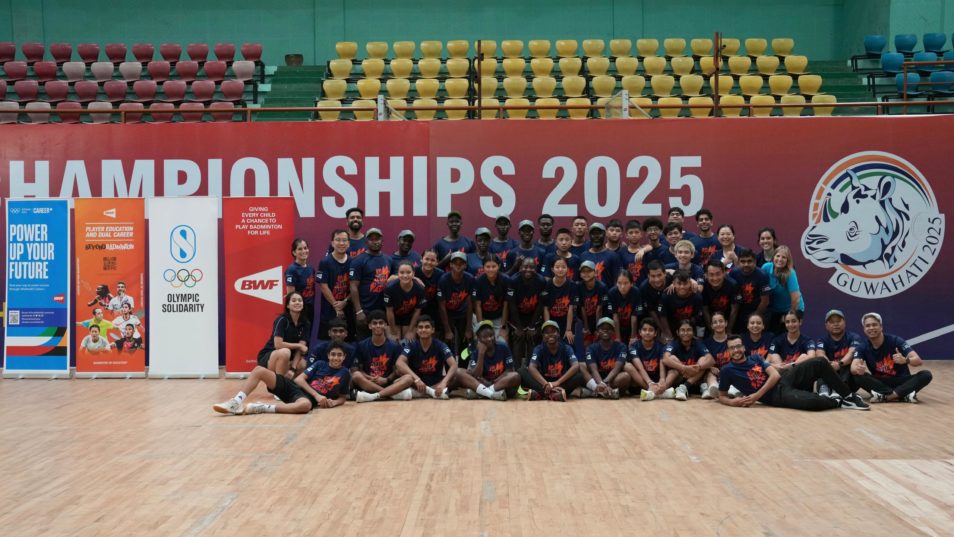
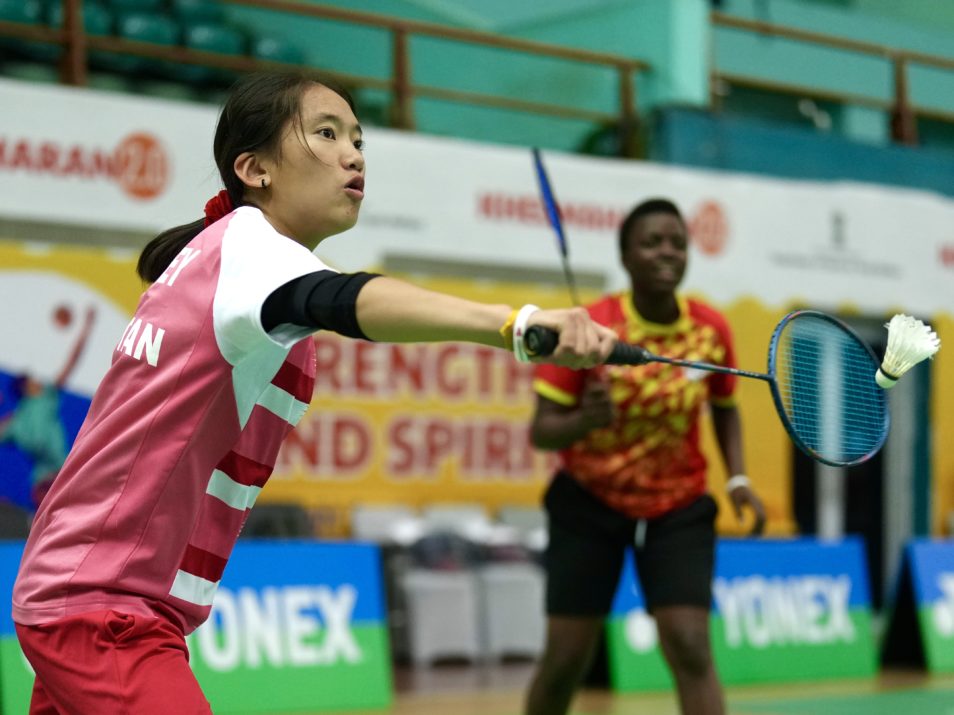
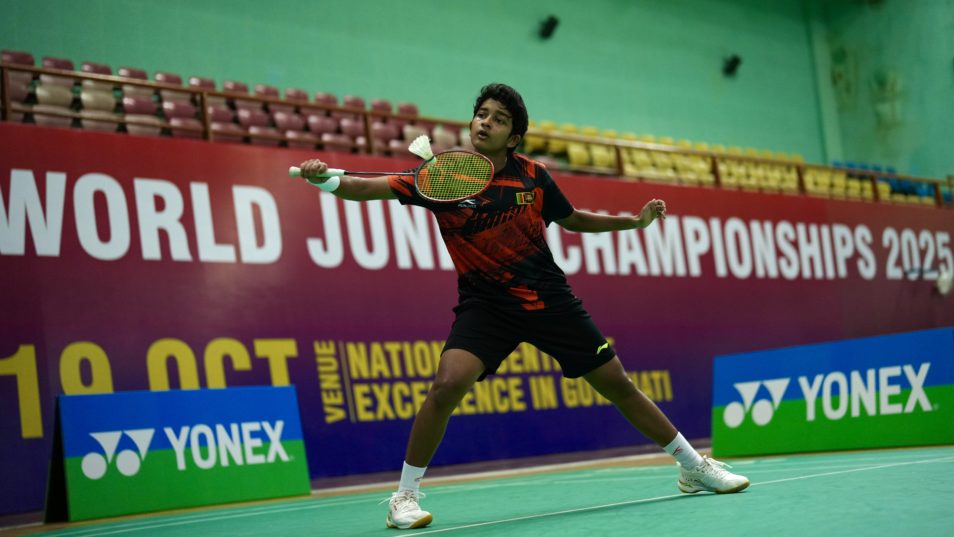
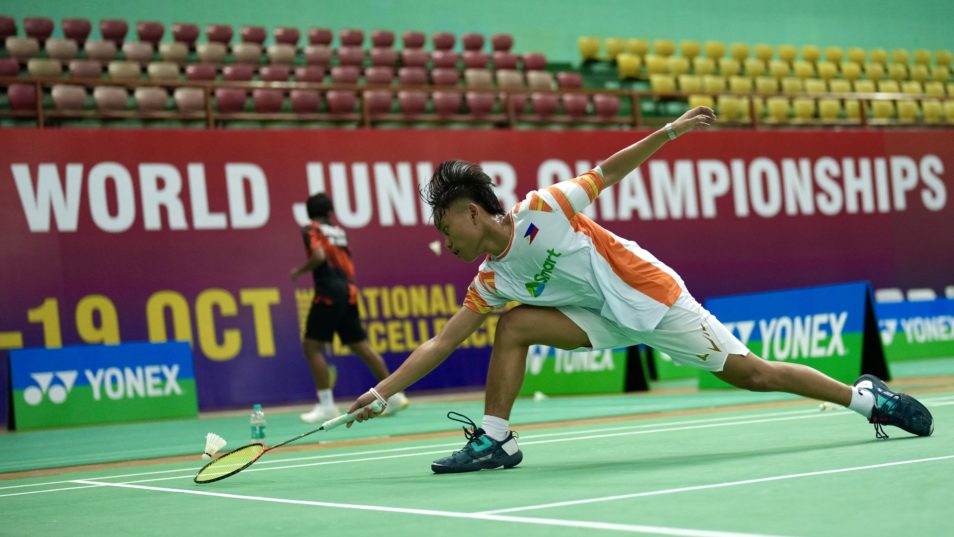
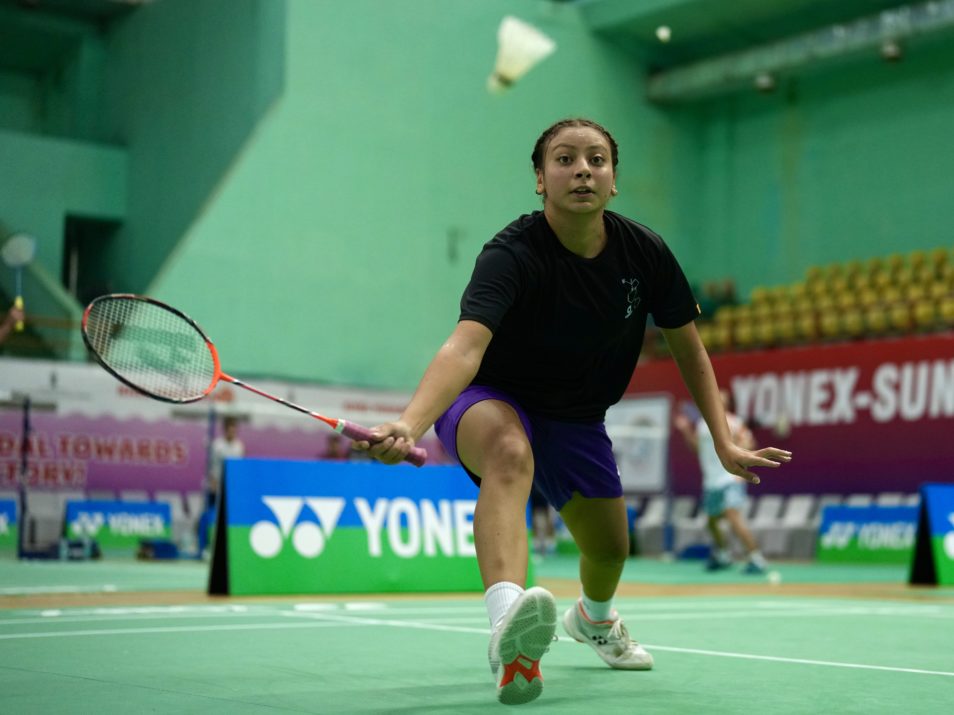
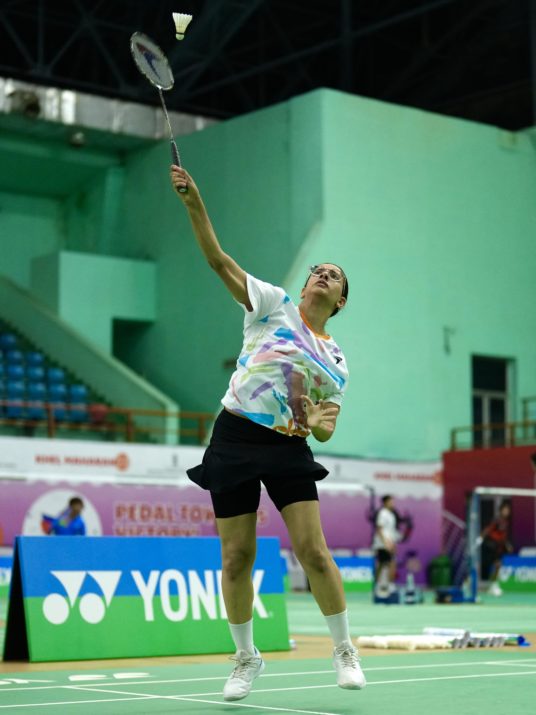
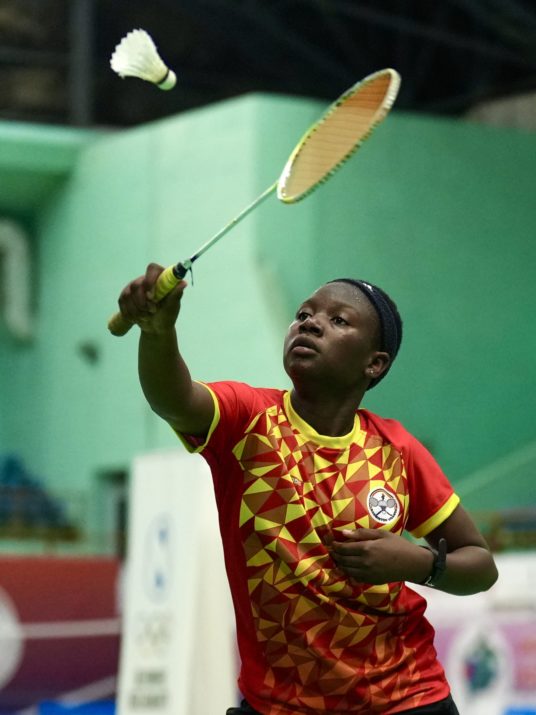
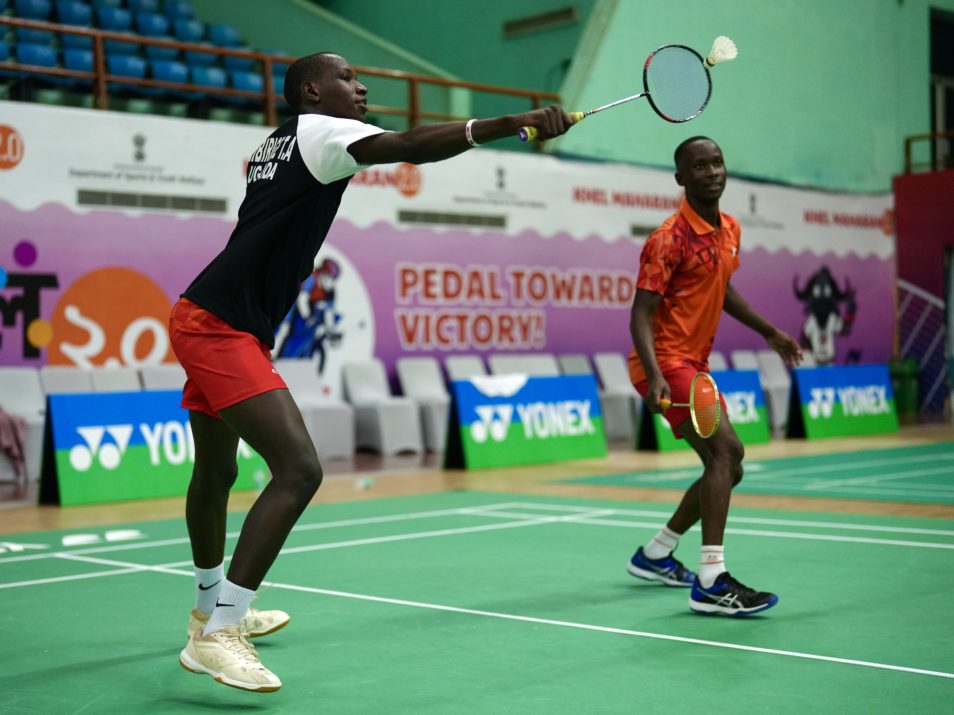
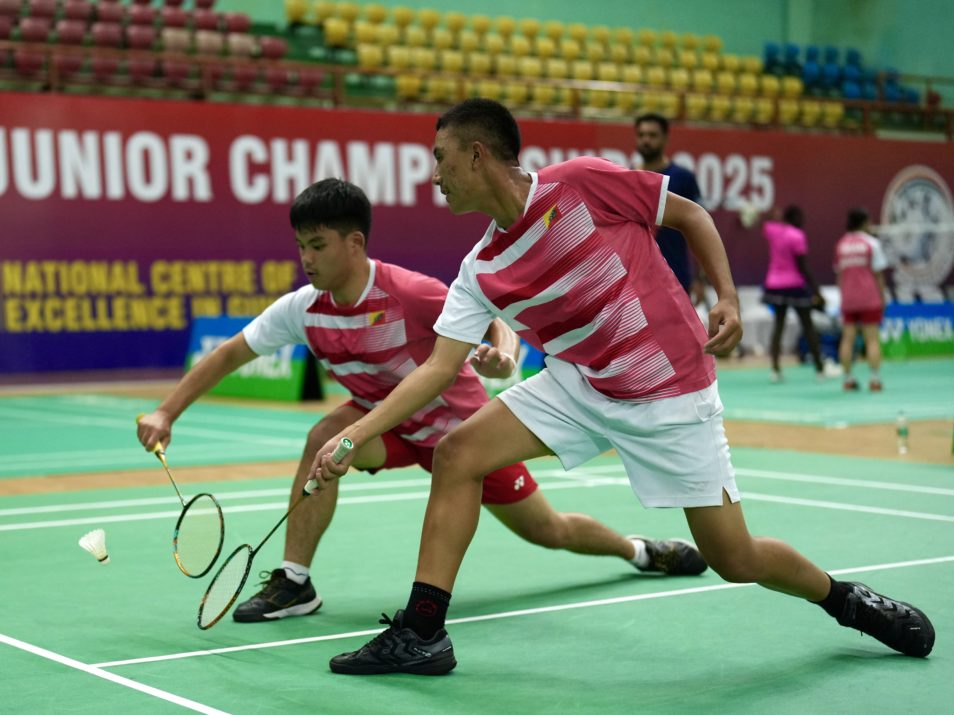
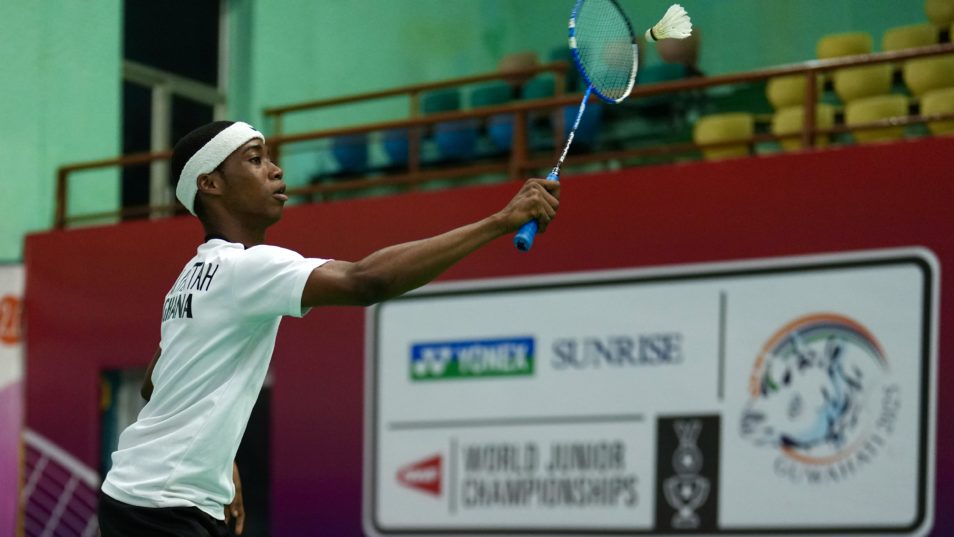
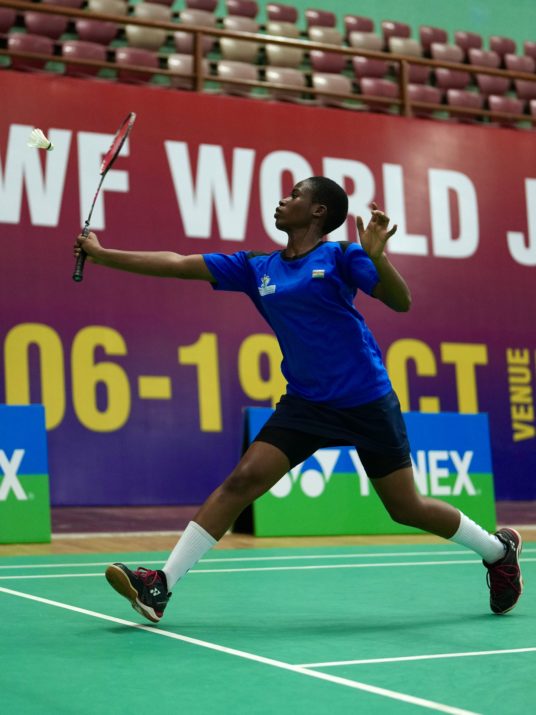
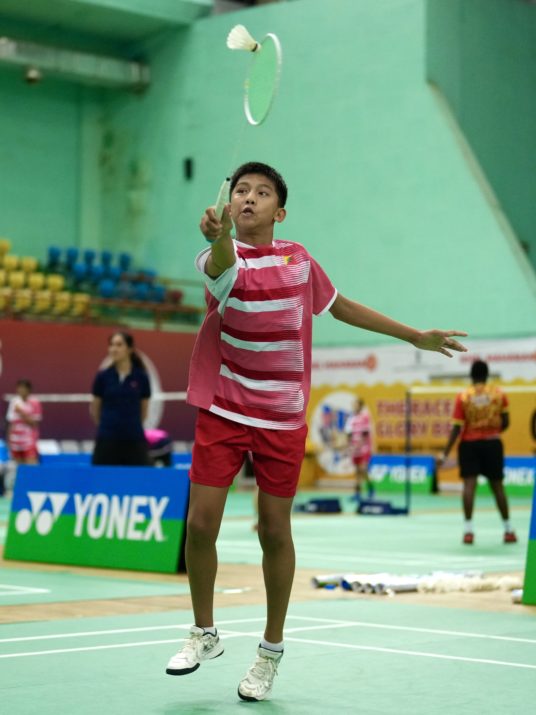
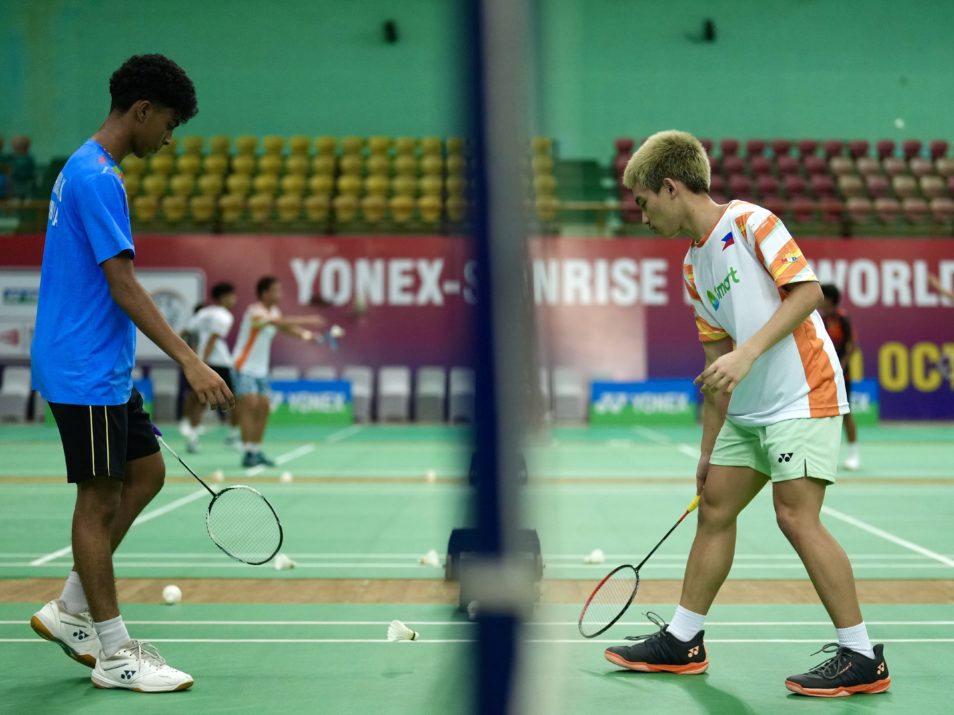
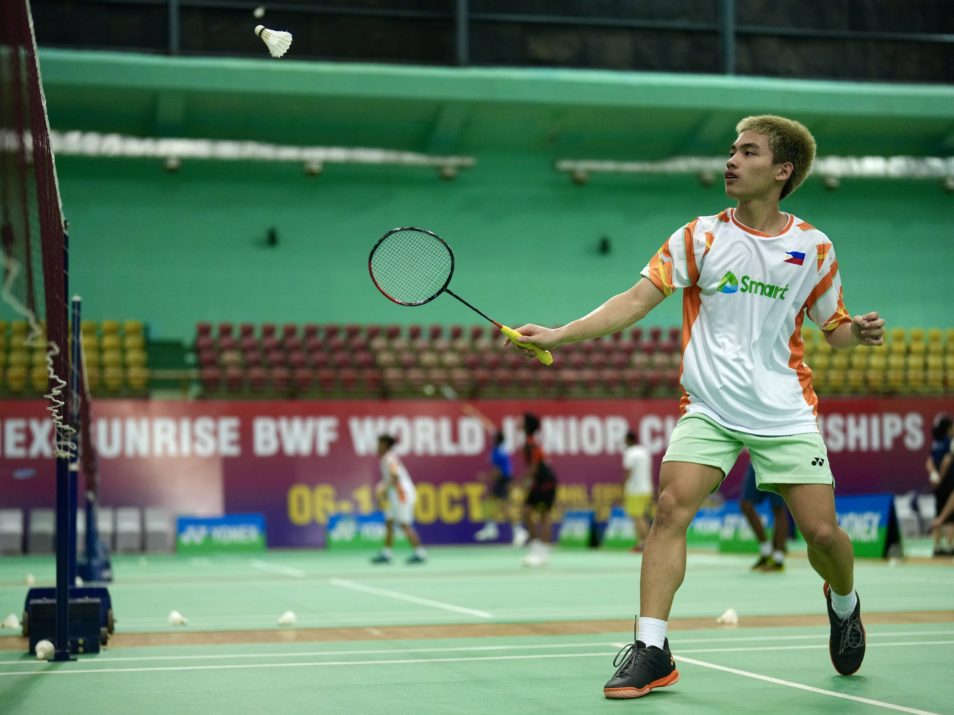
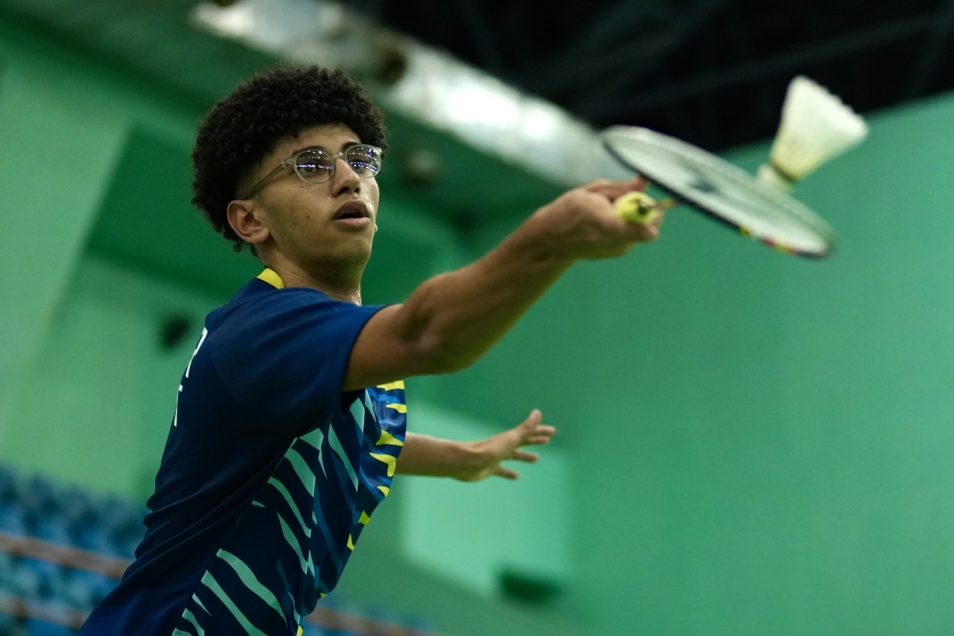
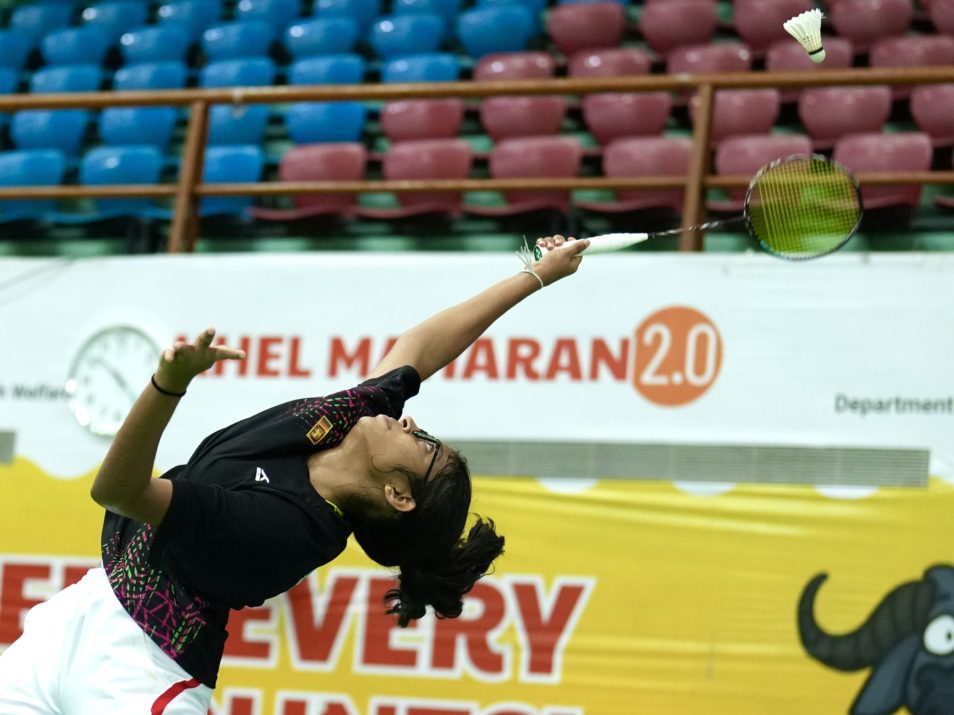
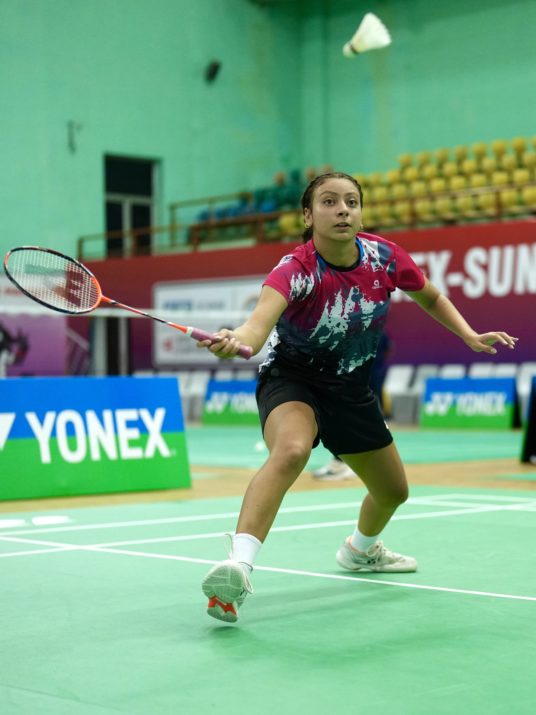
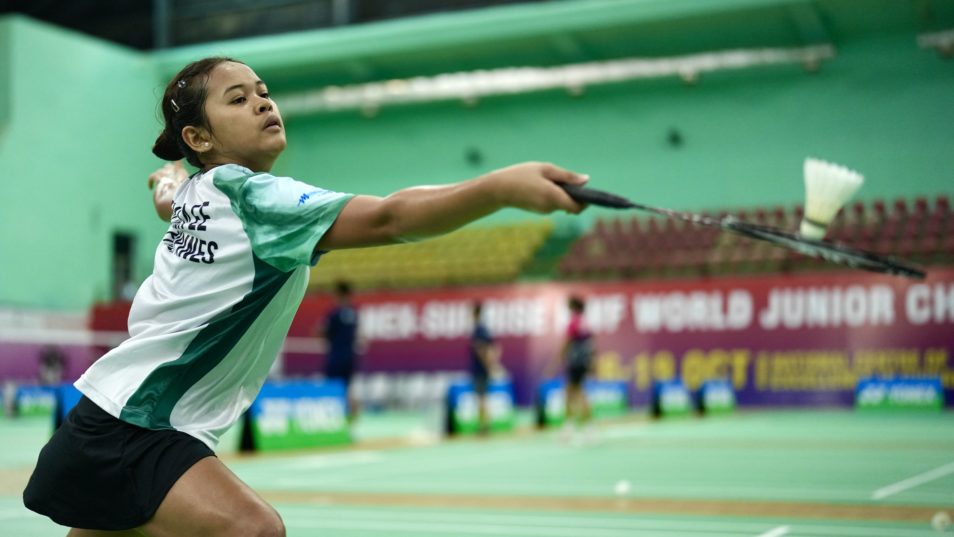
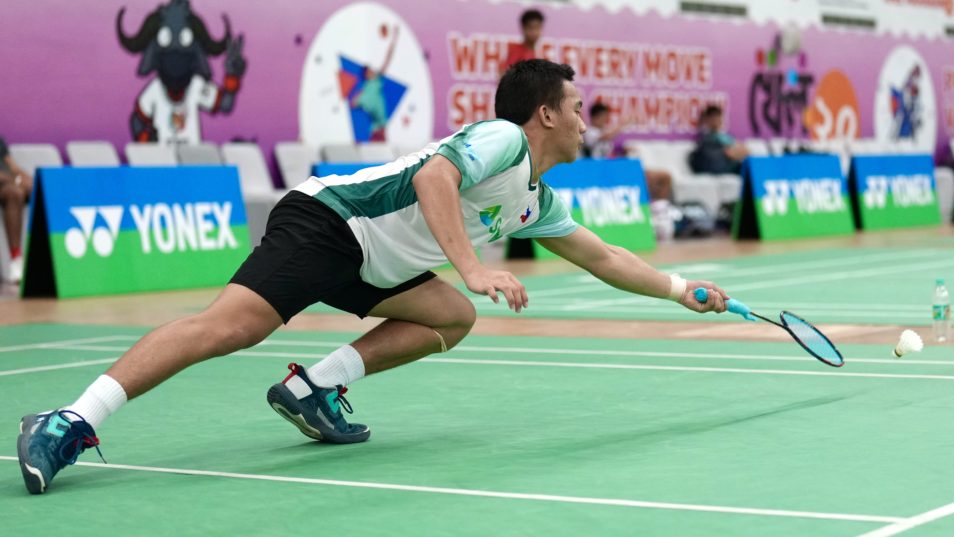
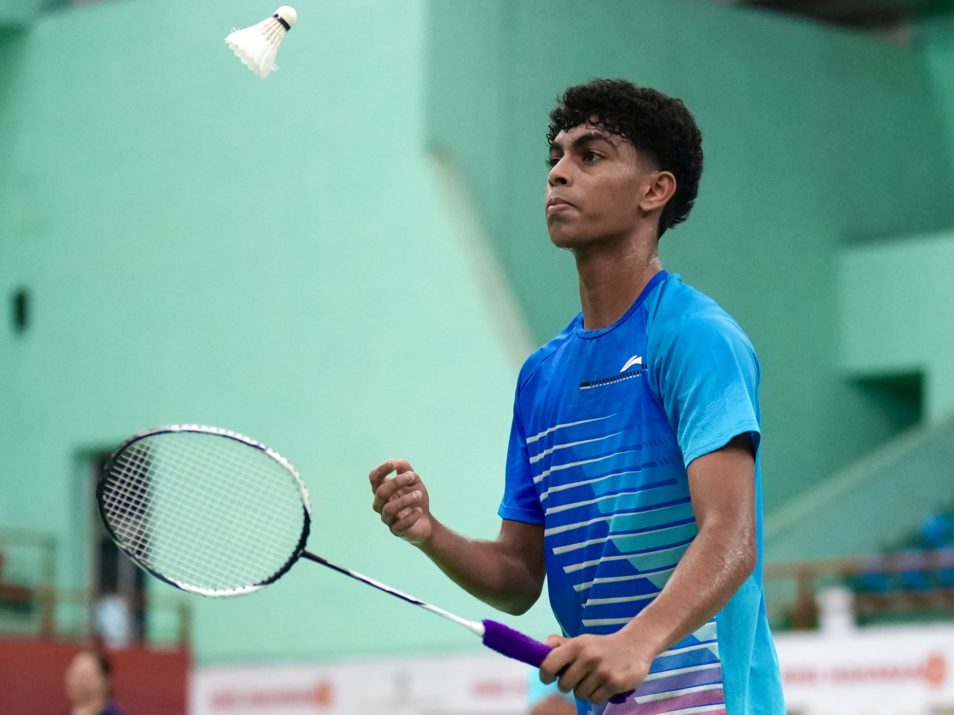
Among the teams that logged in exceptional performances at the recently-concluded YONEX SUNRISE BWF World Junior Mixed Team Championships 2025 were Philippines and Sri Lanka. While Philippines finished 10th overall – a jump of 15 places since last year – Sri Lanka were No.12, improving by nine places. Both were among six teams that participated in a three-day BWF Youth Athlete Development Camp held just before the World Junior Championships, targeted at developing badminton countries.
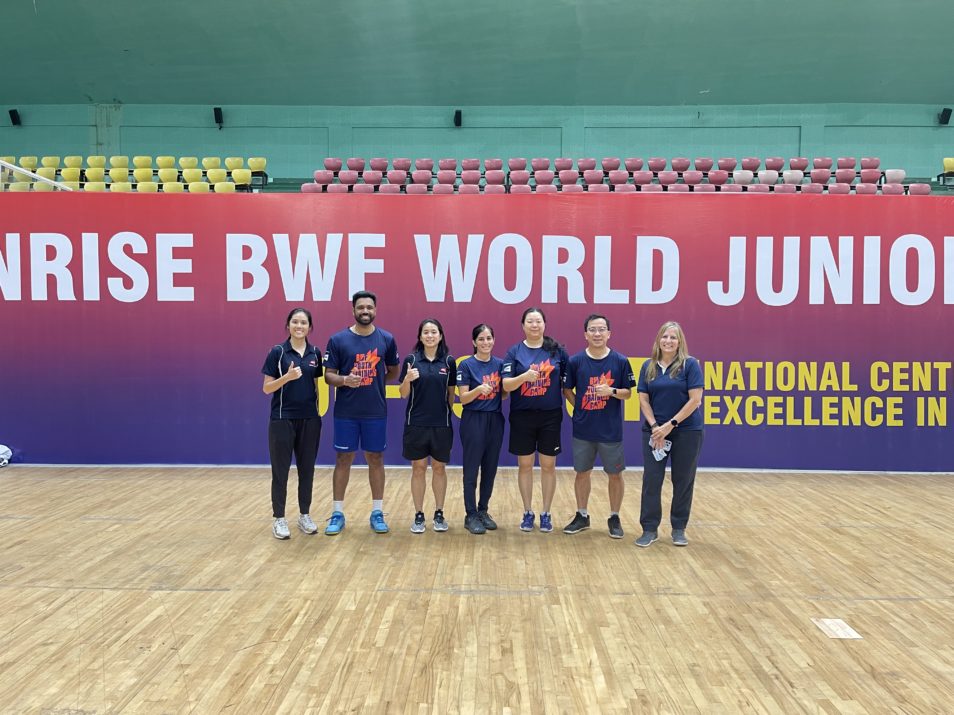
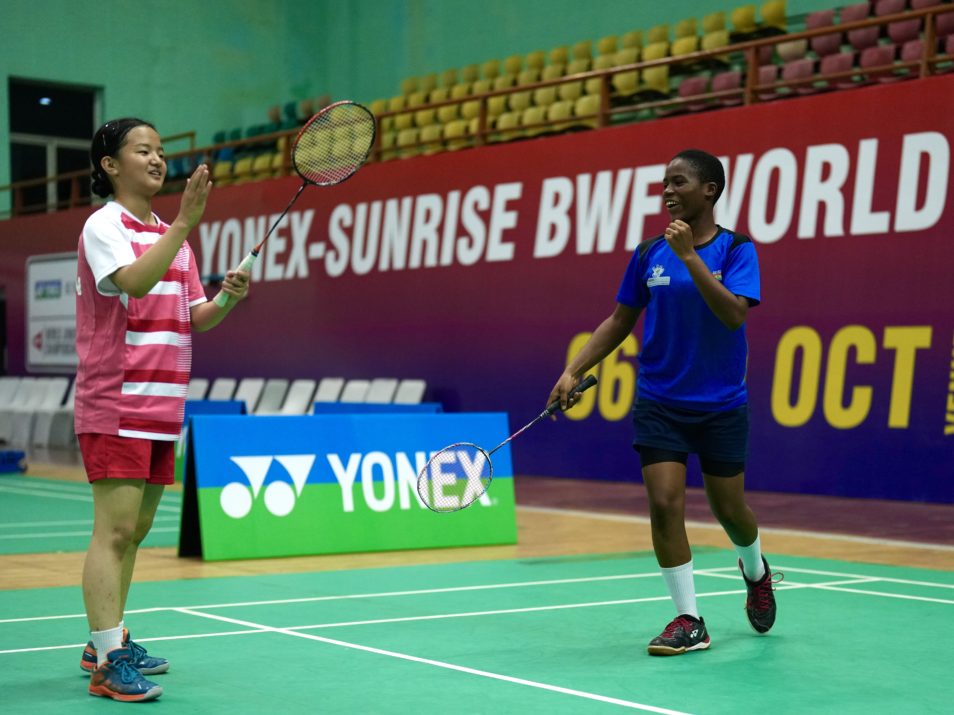
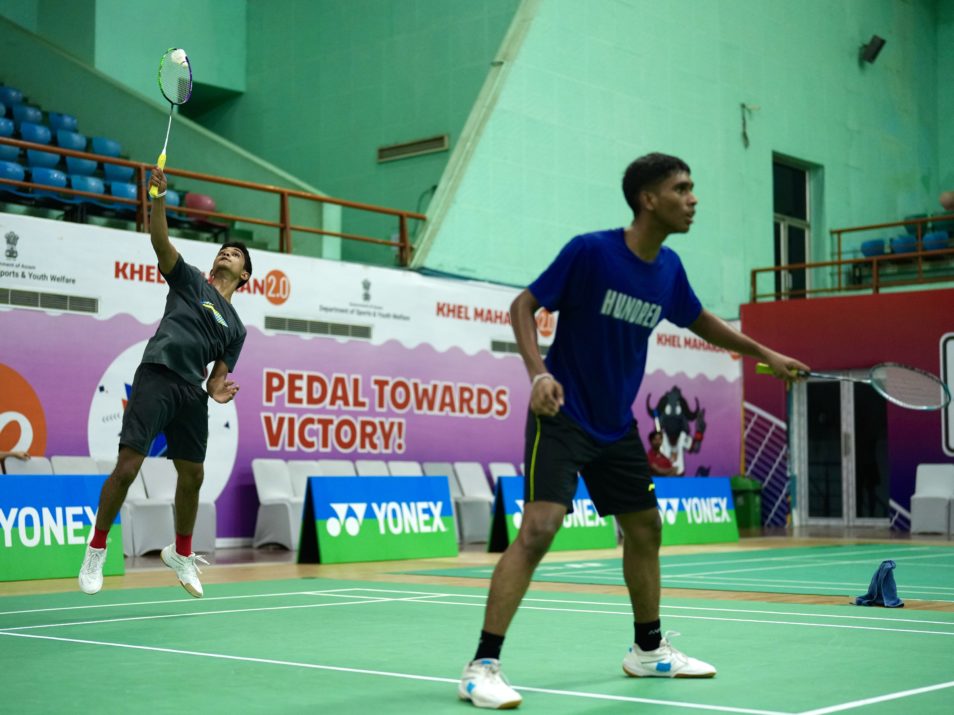
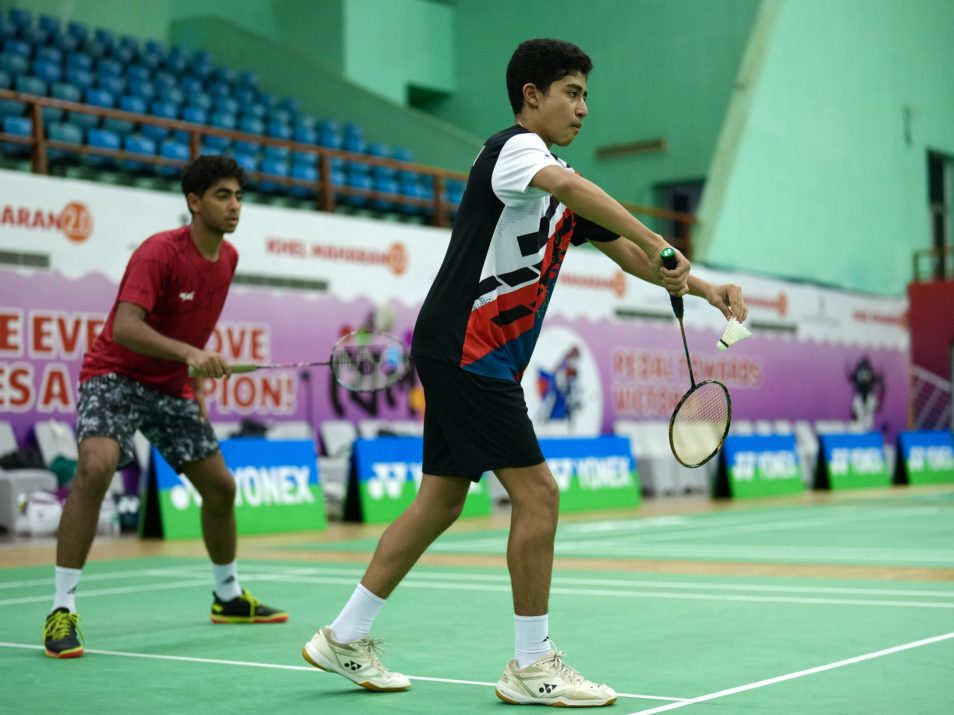
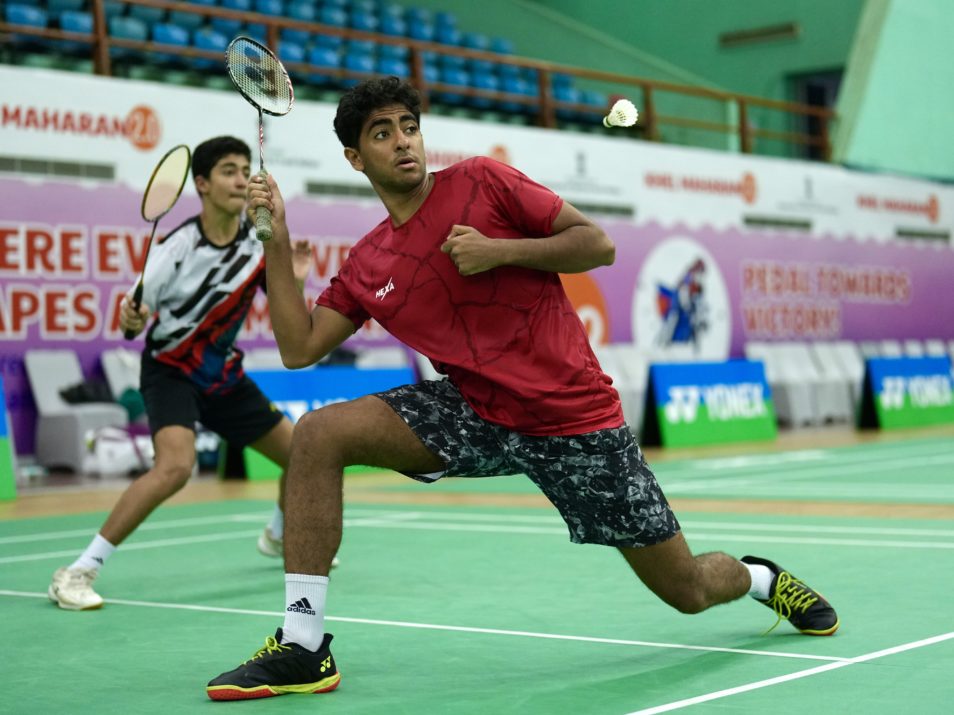
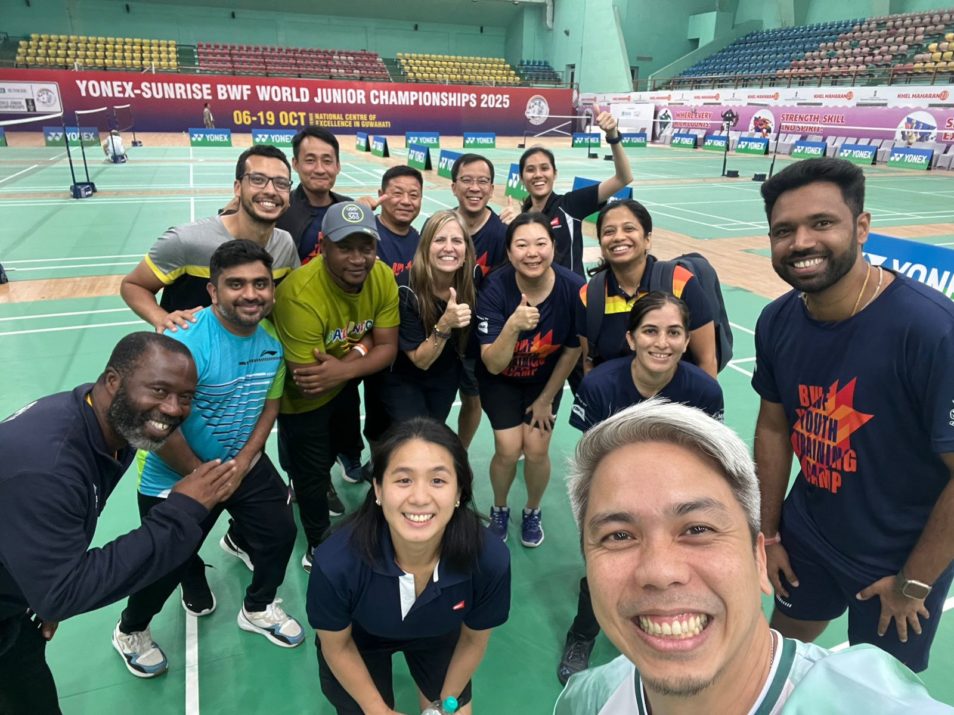
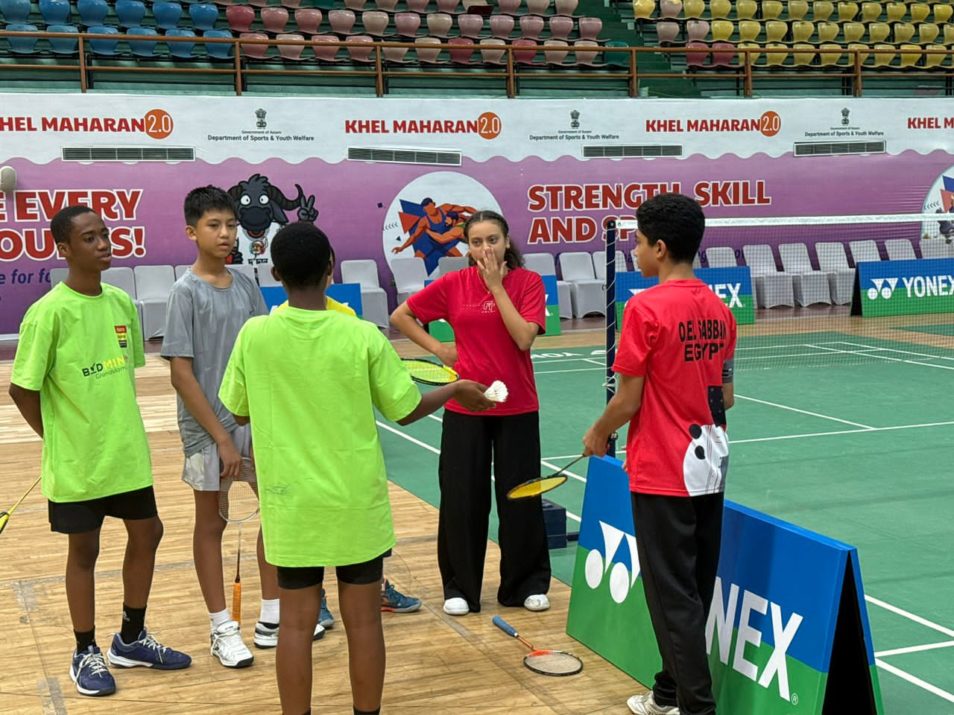
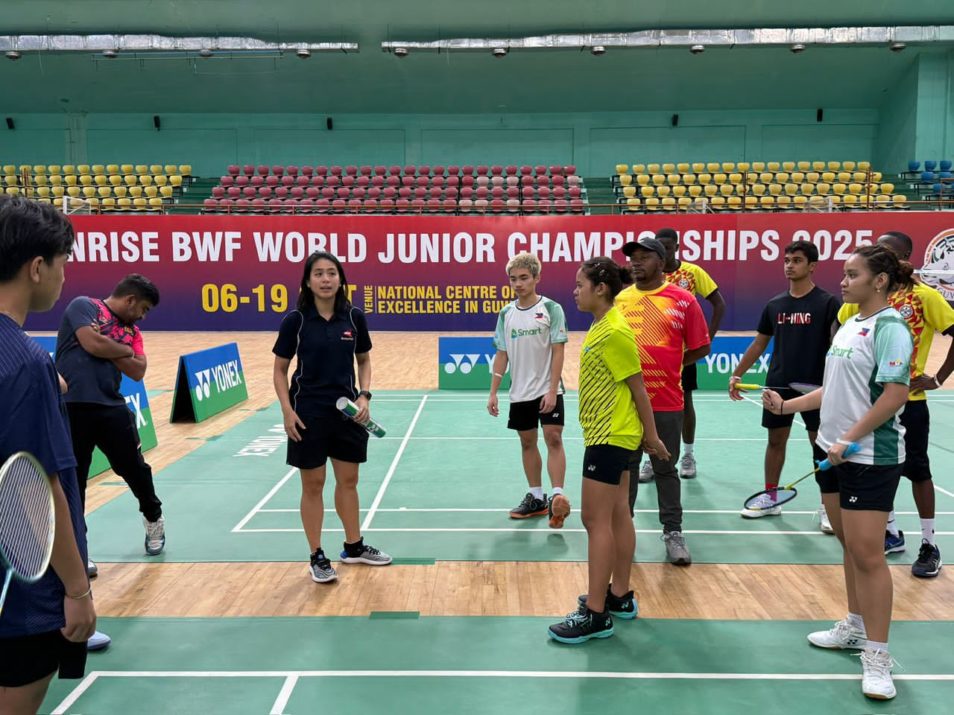
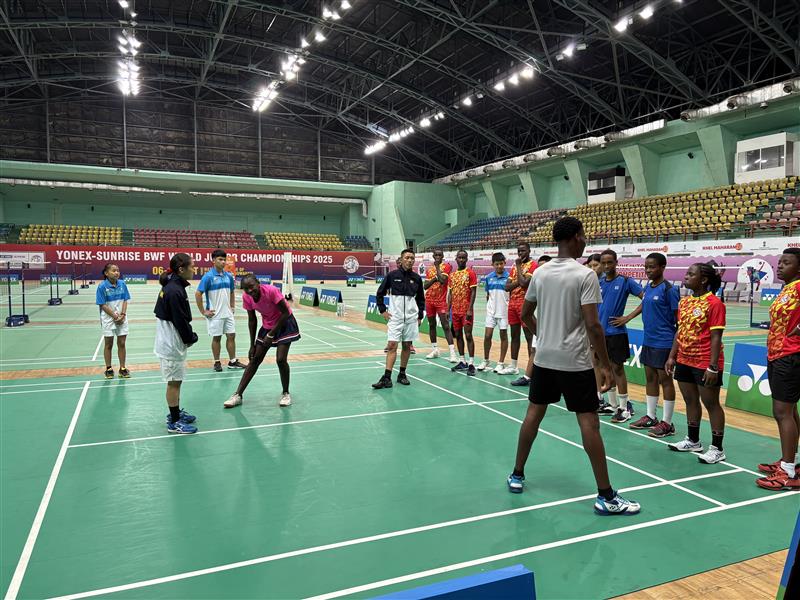
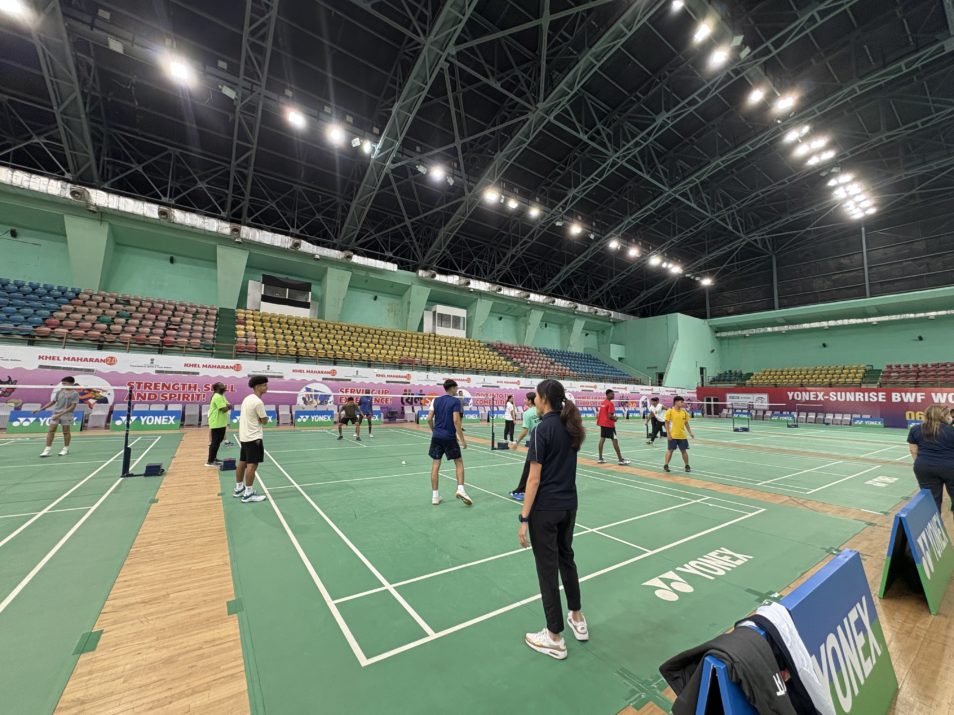
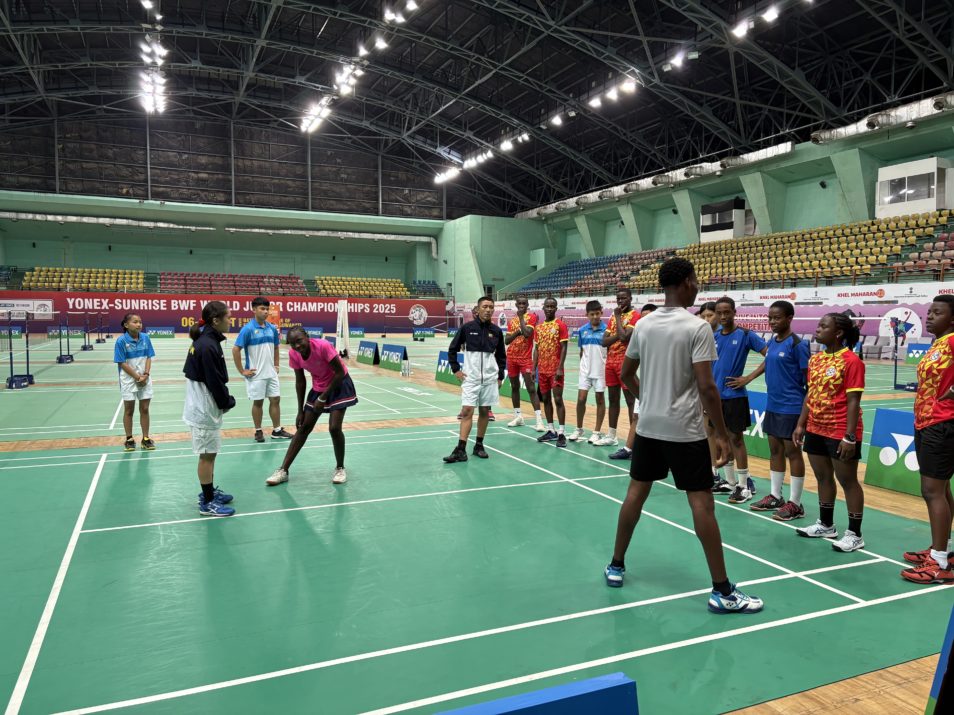
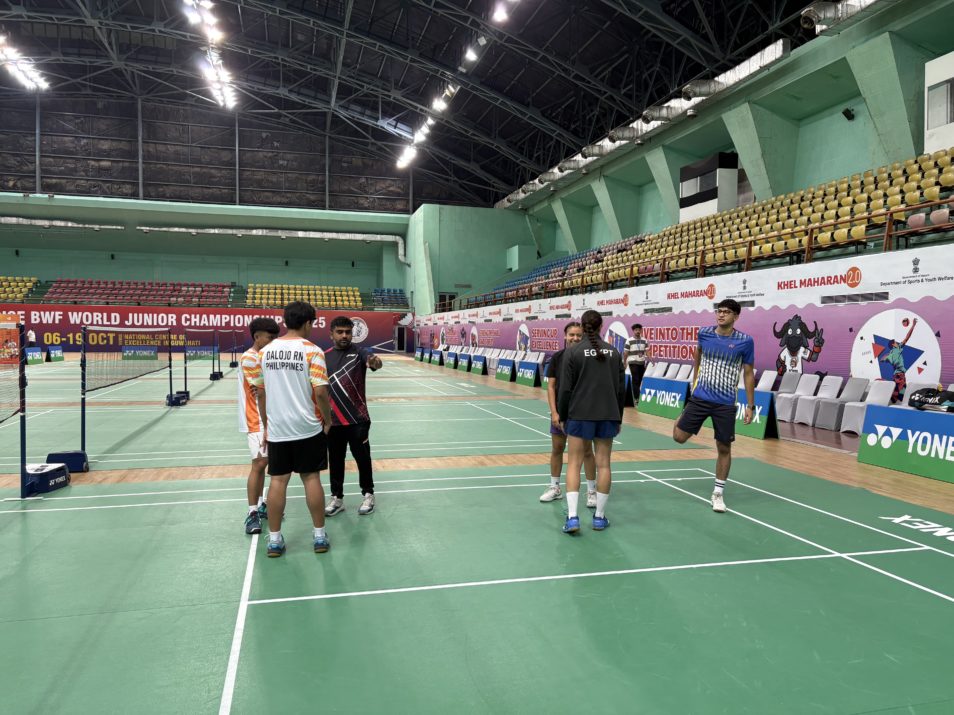
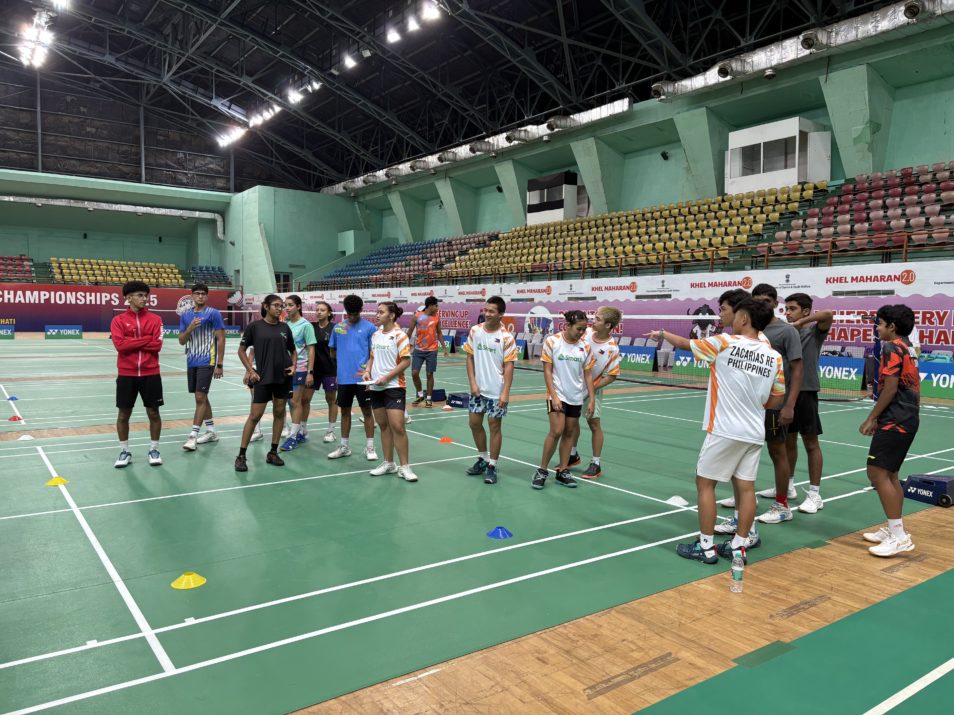
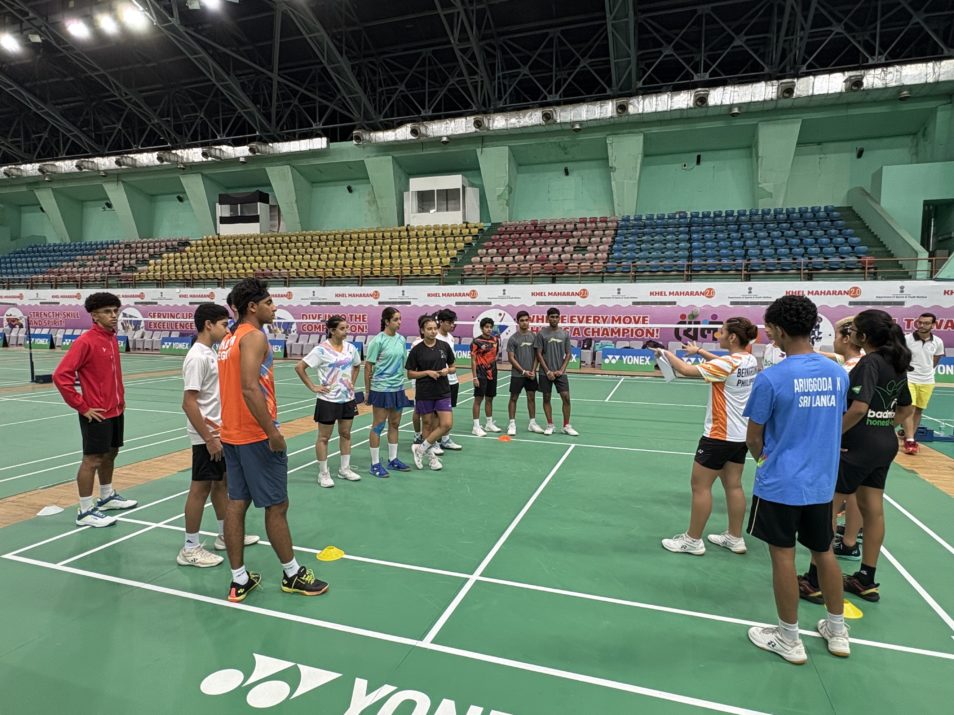
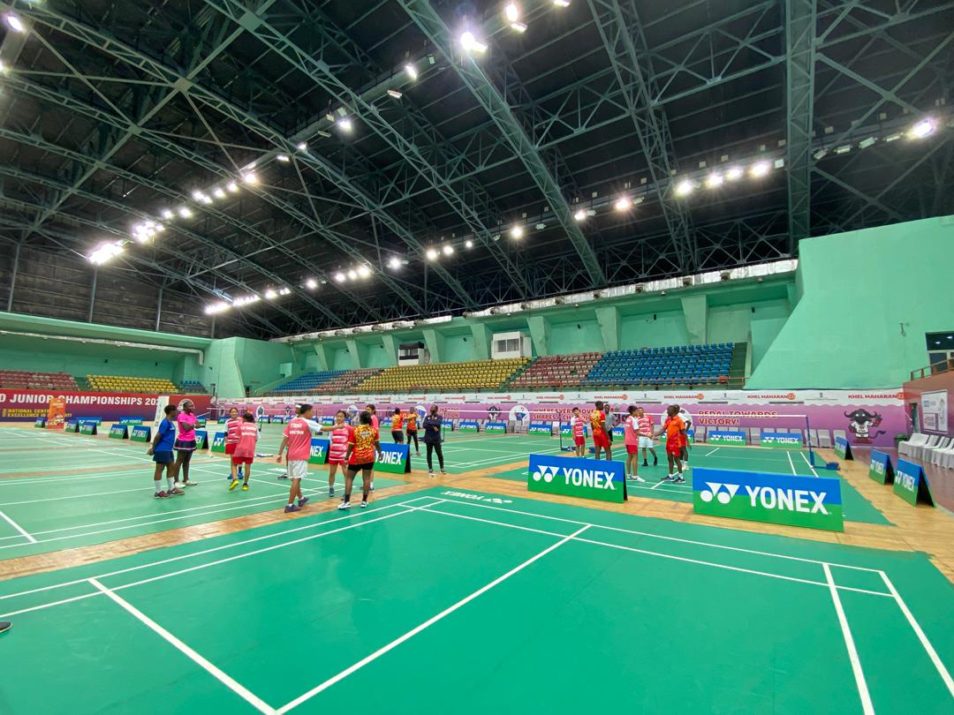
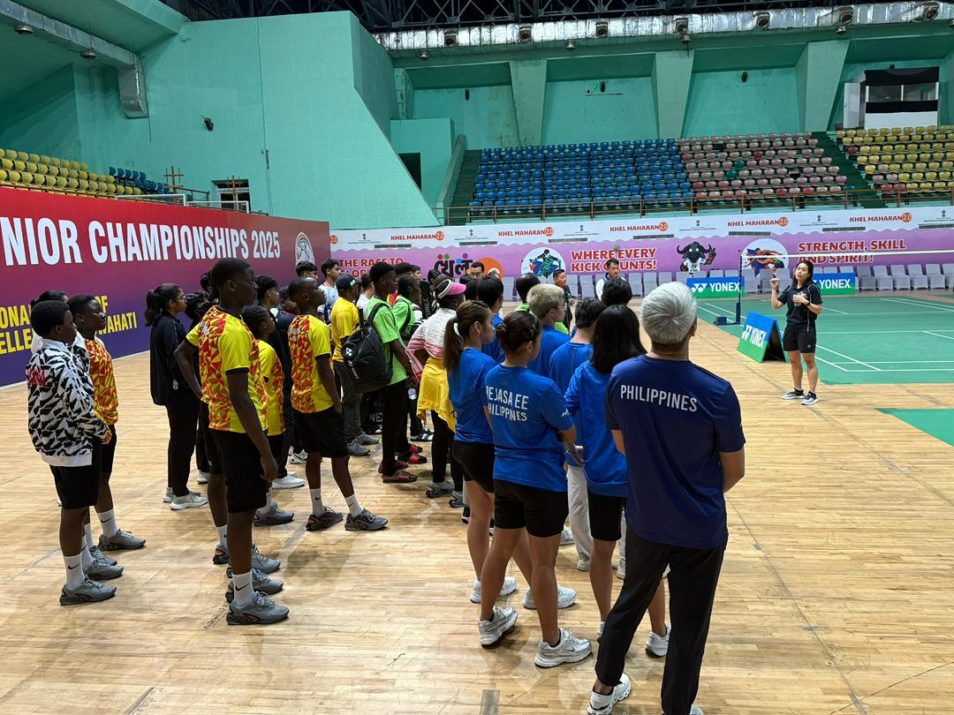
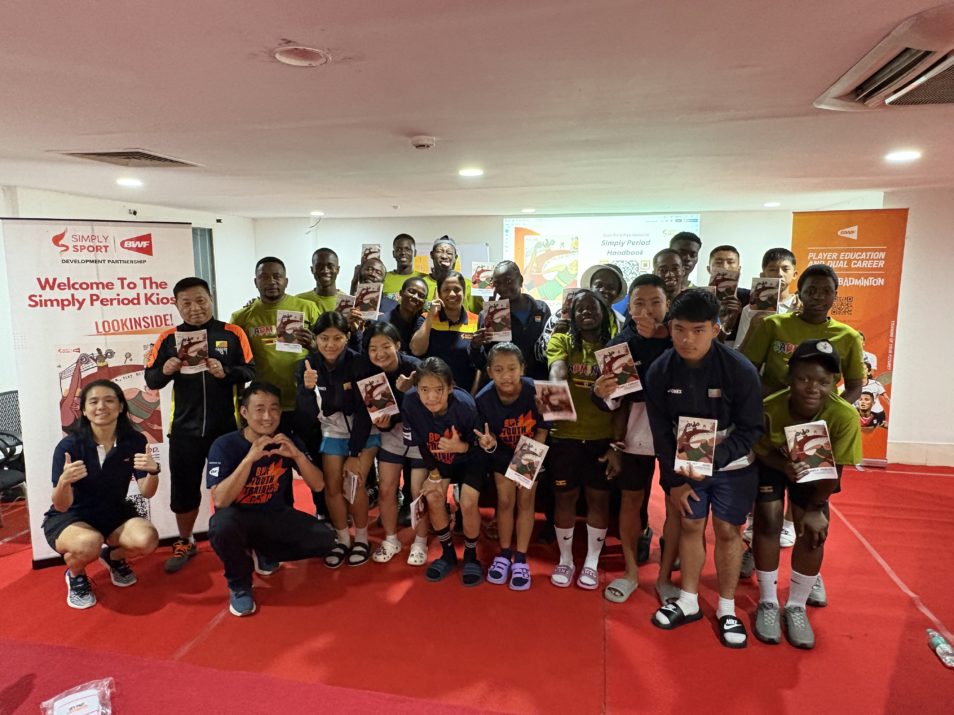
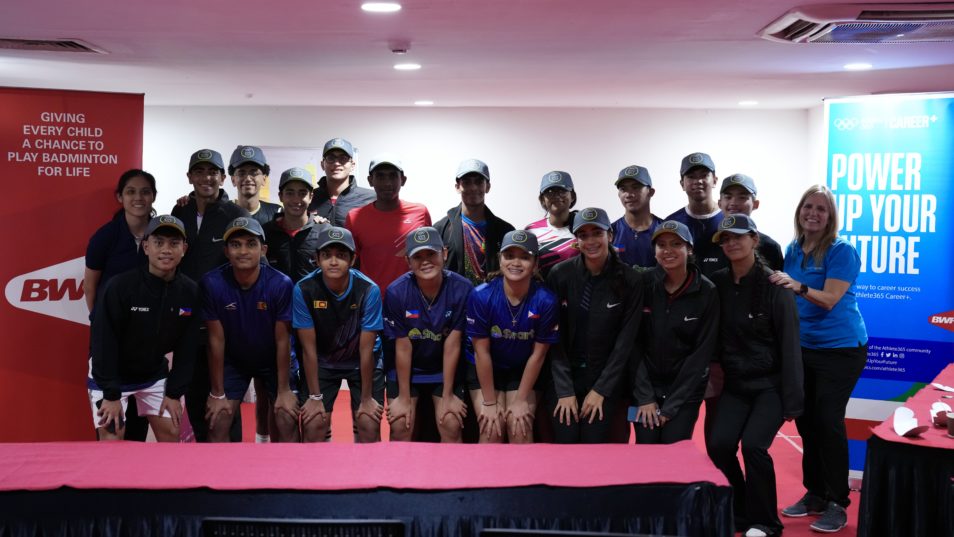
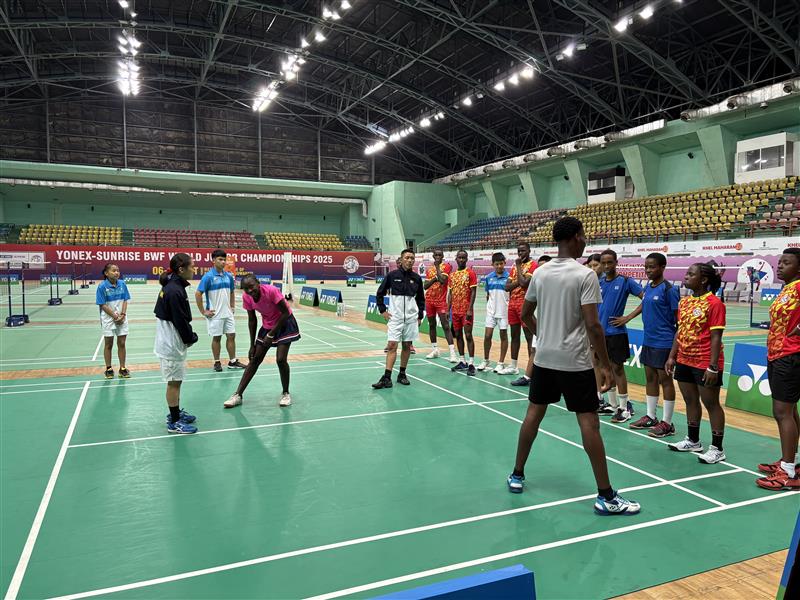
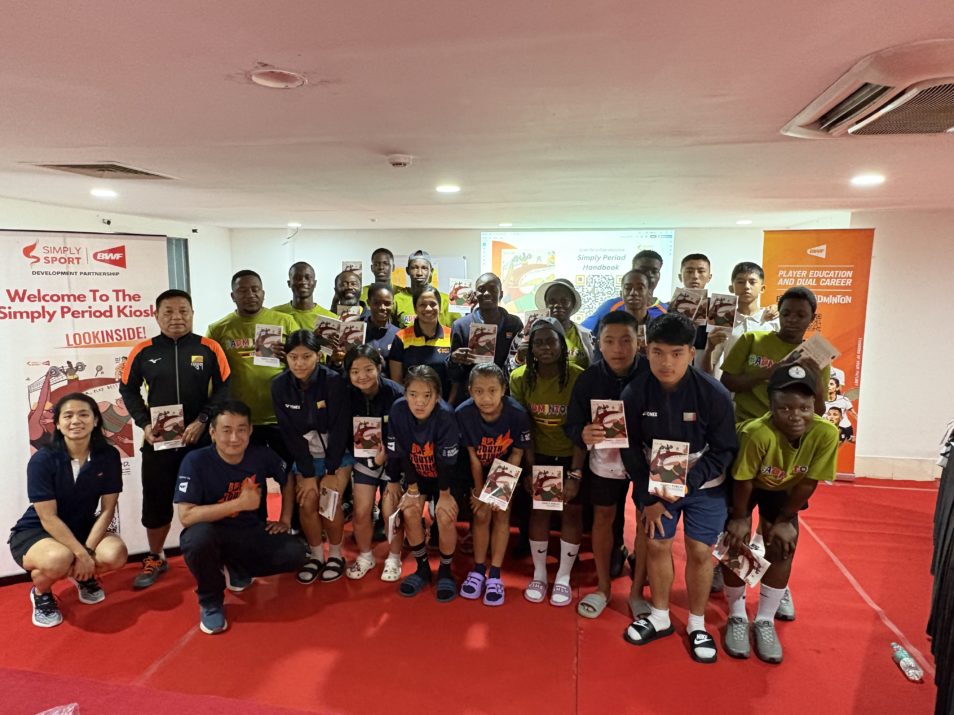
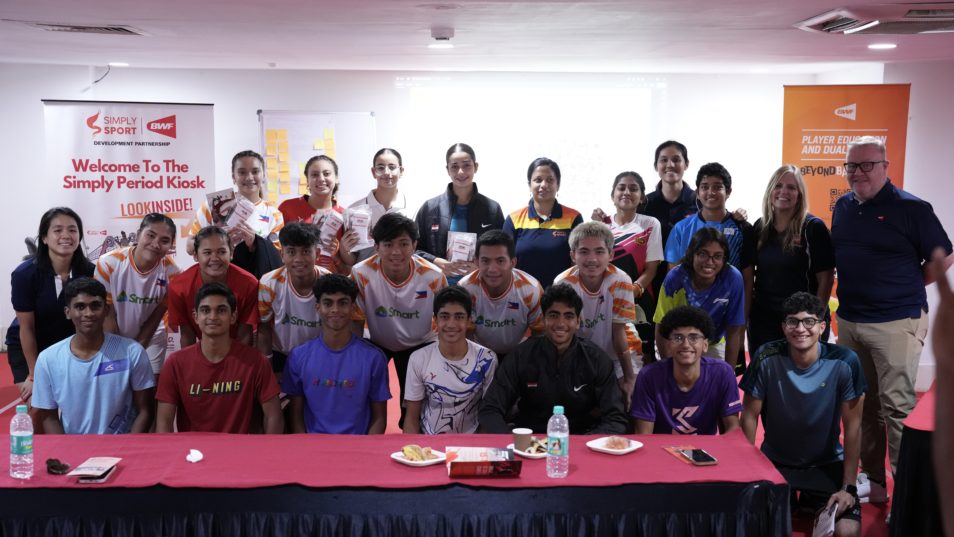
Held from 1-3 October 2025, the camp – attended by 38 players and 10 coaches from Bhutan, Egypt, Ghana, Philippines, Sri Lanka and Uganda — was supported by Olympic Solidarity and led by BWF Coaches Chua Yong Joo and Jiang Yanmei of Singapore, assisted by Arun Vishnu and Sayali Gokhale of India. The on-court session alternated between singles and doubles, and included both technical (strokes, footwork) and tactical (gameplay) sessions. Most significantly, there were test matches featuring the 3 x 45 team relay format which was in play during the World Junior Mixed Team Championships, helping teams get familiar with the rules and also prepare themselves tactically.
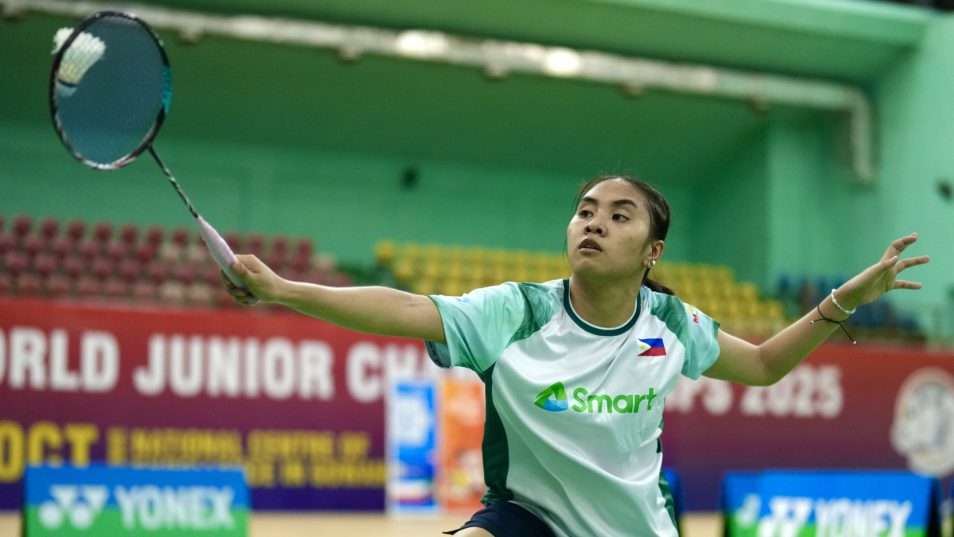
The impact of the training camp was evident almost immediately at the World Juniors, with Philippines causing a sensation by beating heavyweights Hong Kong China and Denmark, while Sri Lanka held off UAE (in a thriller that was decided by one point) and Poland.
This being the second year of the camp – the first was in Nanchang before last year’s World Juniors – coach Chua said they had learnt from the previous experience and tailored the camp accordingly.
“We learnt from last year, and we thought of how we could make it better, and we managed to do it. The focus was on a mixture of technical and tactical sessions. We emphasised the tactical aspects, as we were preparing for the World Juniors, to make the players better and to get to know one another. For some players, we focussed on the technical aspects. We tried to design the programme to suit each country and each player.”
Chua was impressed by the overall level of the players, particularly from countries where badminton took long to take root.
“There’s room for optimism,” Chua said. “I used to be a national coach, and I had never seen so many players from Africa. Now you see players from all over the world. The level is getting higher and overall the standard has improved.”
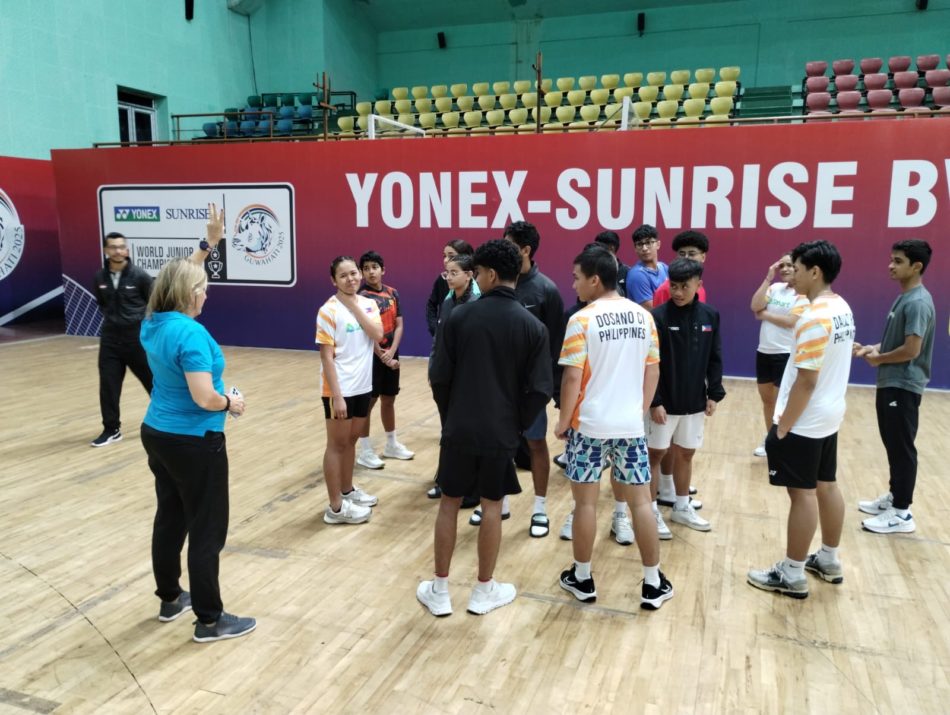
Coach Jiang Yanmei explained that the players were split into different groups based on their level, and they designed the programme ensuring that players from various countries interacted with one another.
“We made sure the groups interacted with each other. We had match play and technical training and we gave them short games. The purpose was to serve as leadup to the World Juniors. They had the opportunity to explore the scoring formats. We urged them to practice with players from other countries. At the beginning they were shy; then they automatically found partners form different countries. At the end of the day we did a debrief and asked them about the areas of improvement to help break the ice.”
She was all praise for the local hosts: “They were very supportive, they gave tea breaks for the kids as well, because it’s long days, with the classroom sessions and court sessions. We had 12 courts and it was all very neat, and they helped us arrange everything.”
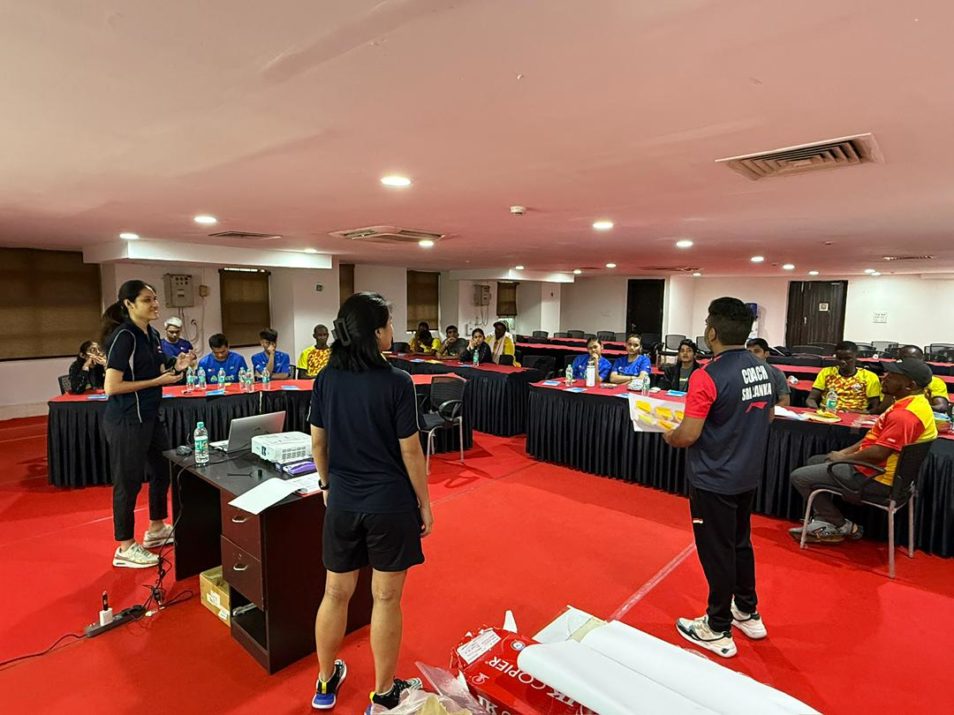
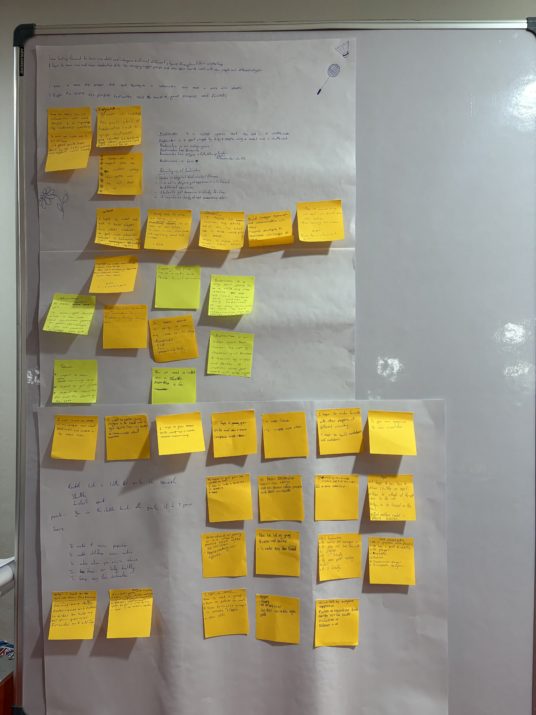
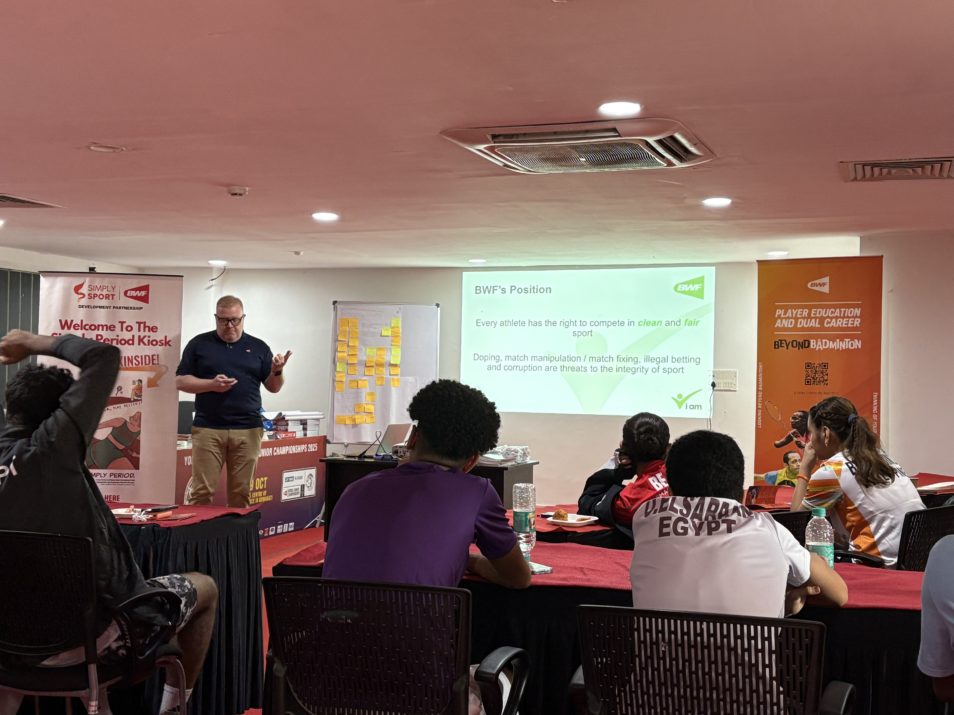
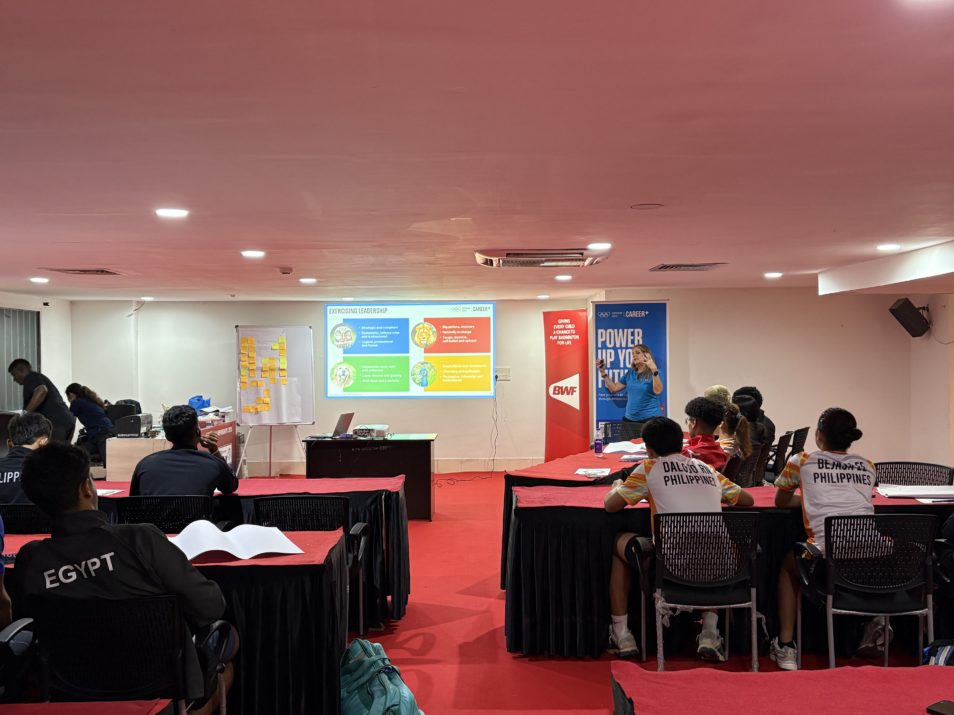
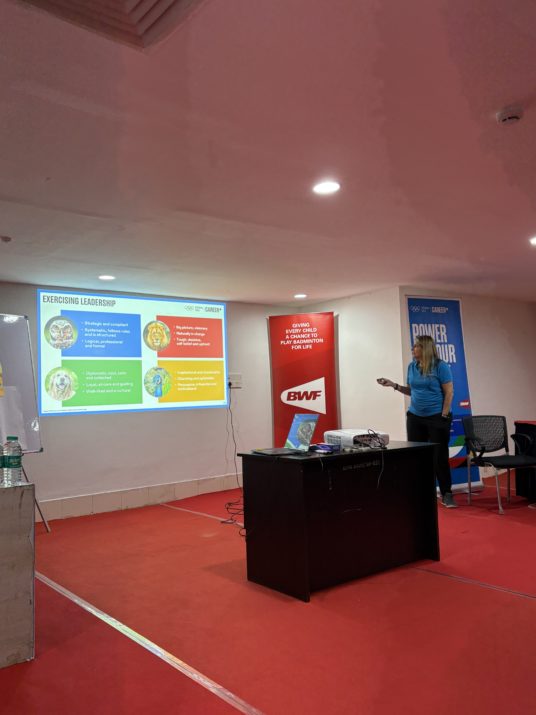
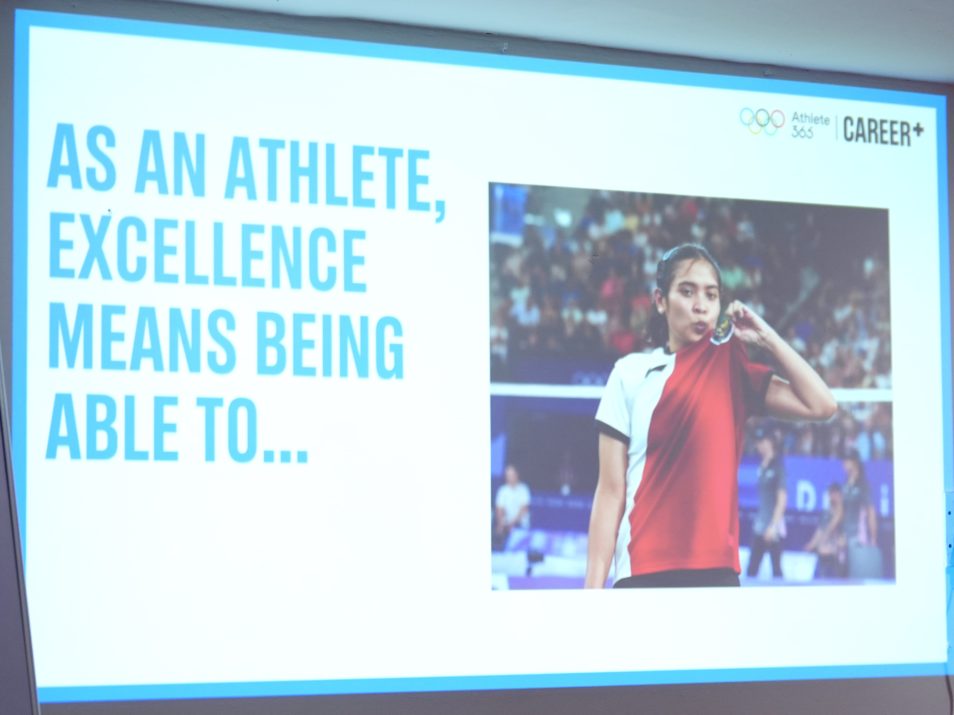
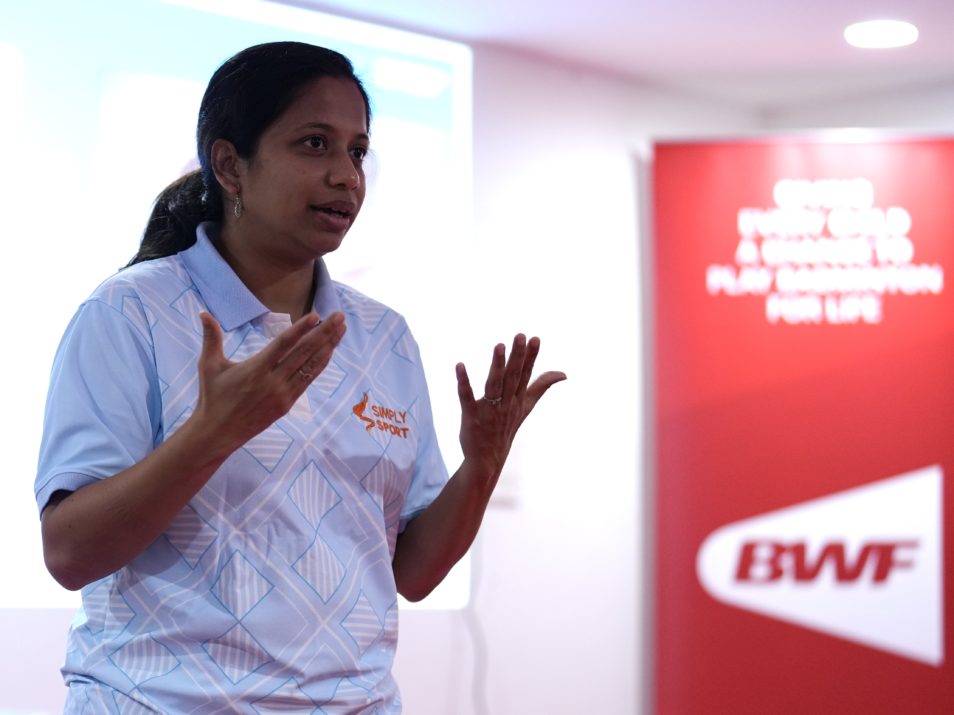
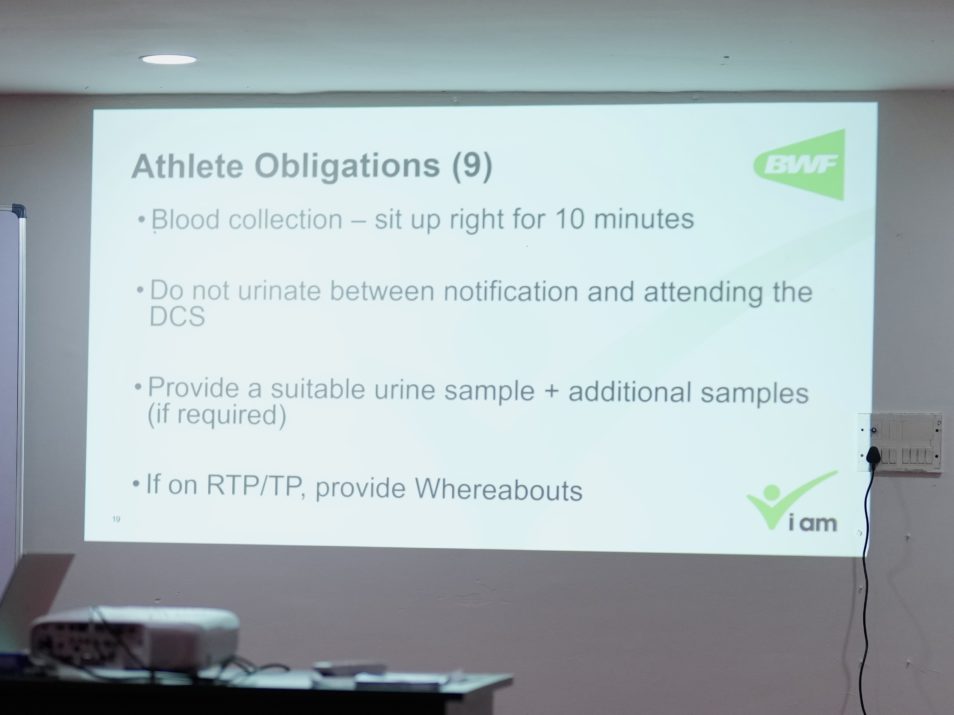
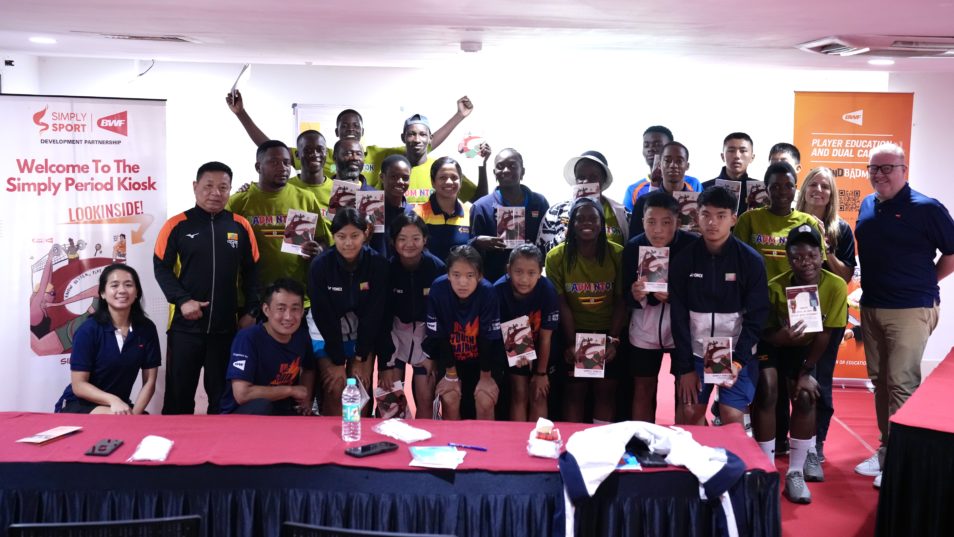
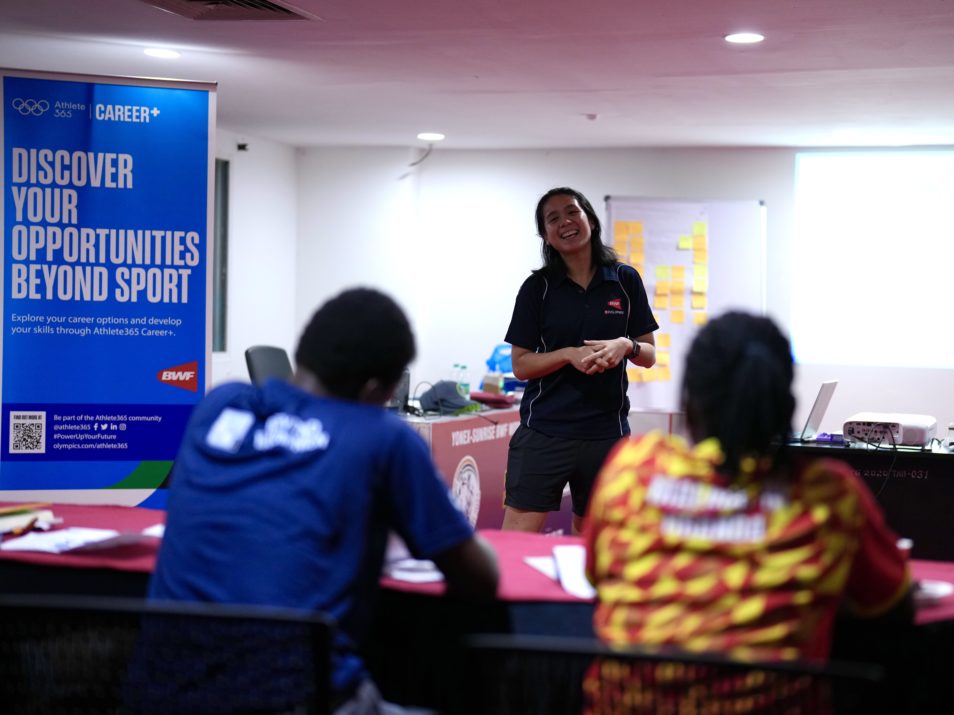
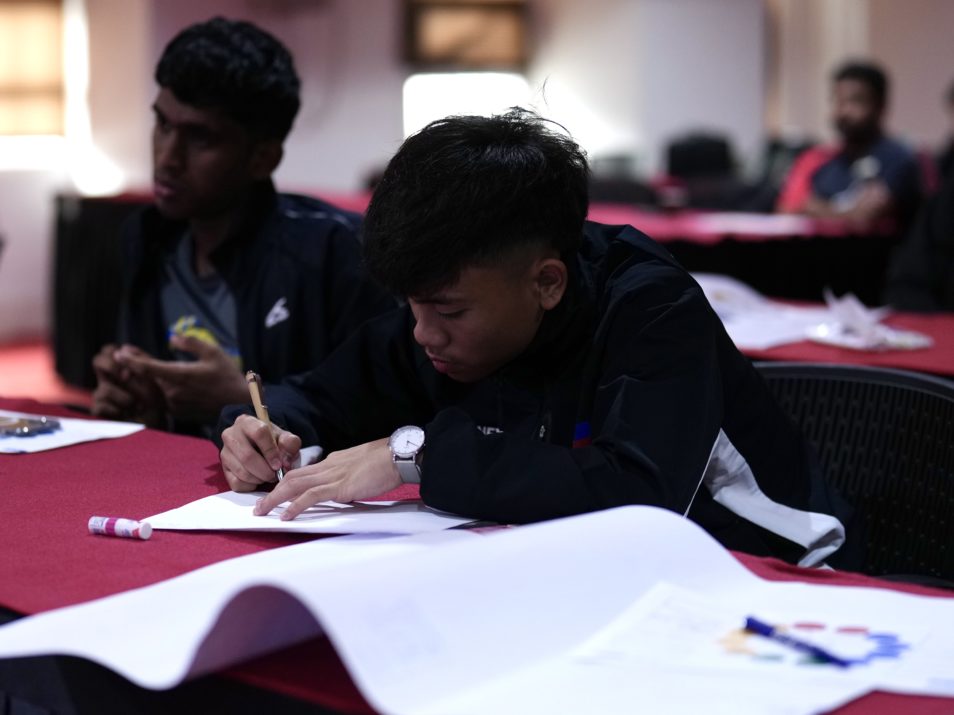
Besides the on-court sessions, BWF had educational sessions on integrity, dual career, Shuttle Time Youth Leadership Workshop and the IOC Athlete 365+ Self Discovery workshop. . A newly-introduced session was ‘The Untold Side of Health & Performance’ conducted by Simply Sport Foundation in association with BWF, where the attendees were given a primer on the physical and emotional changes that children go through during puberty. The info sessions continued into the first week of the World Junior Championships, engaging hundreds of athletes and coaches.
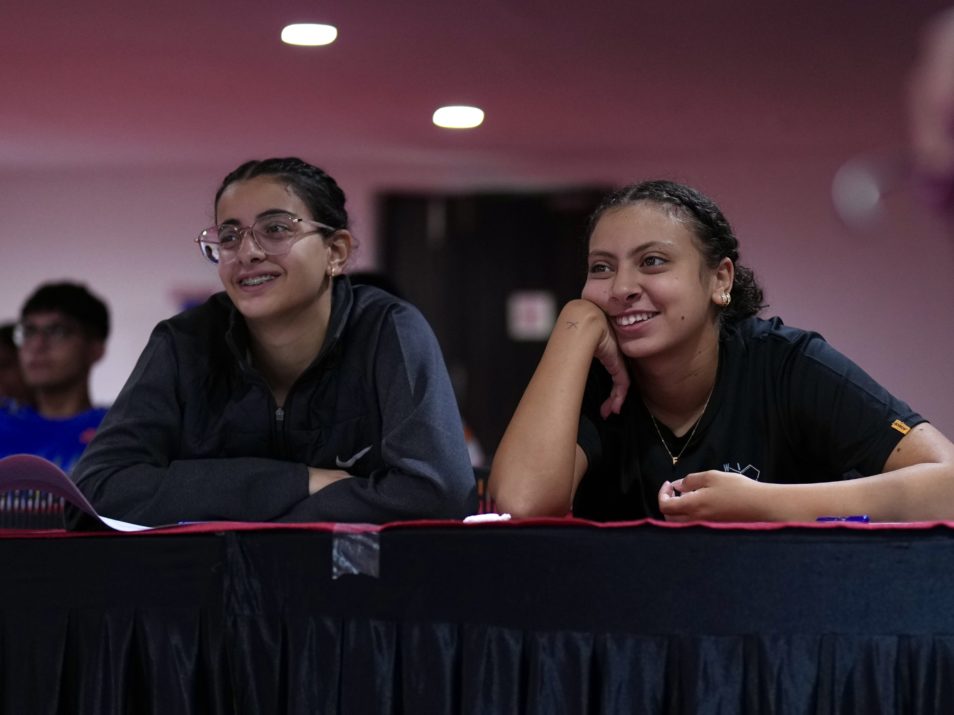
Overall, the three-day camp served to not only prepare the teams for the challenges of the premier junior tournament, but also encouraged them to look beyond badminton – building relationships with players from other countries, encouraging them to think of careers beyond badminton, improving their knowledge of the sport, and appreciating the challenges that their fellow-players go through, so that they could become more supportive and empathetic.
As Sri Lankan coach Thushira Amarathunga put it: “It was a good opportunity for Sri Lanka. The camp was very good for us; we met different coaches and players and made friends. We improved our knowledge about the new scoring system, teamwork, and different cultures. It was a very positive experience.”